Category: Real Estate

  • Key Lifestyle Considerations When Exploring Residential Developments in Singapore

    Key Lifestyle Considerations When Exploring Residential Developments in Singapore

    Researching a residential property in Singapore can involve much more than looking at the building itself. The surrounding neighbourhood, transport network, shopping options, schools, healthcare services, dining choices, and recreational facilities can all become part of a household’s daily routine. For this reason, buyers exploring Dorset Gardens and Clovelle of Woodlands can benefit from considering the property together with its wider surroundings.

    Every household approaches a home search differently. A professional may focus on commuting time and MRT connections, while a family may place greater attention on schools, childcare, parks, and bedroom space. Residents who work from home may be particularly interested in flexible layouts, while others may prioritise restaurants, shopping centres, healthcare facilities, or outdoor spaces.

    A clear list of personal requirements can make it easier to research these factors and determine which aspects deserve closer attention.

    Understanding the Location Around the Home

    A residential development does not operate independently from its surroundings. Daily life may involve travelling to workplaces, schools, supermarkets, clinics, restaurants, parks, and other destinations.

    Dorset Gardens is associated with Farrer Park, a city-fringe neighbourhood with established amenities and public transportation connections. Clovelle of Woodlands is planned within Woodlands, an established northern town with residential, commercial, community, and transport infrastructure.

    Examining these wider environments can provide additional context when researching a potential home.

    The Farrer Park Environment

    Farrer Park is an established urban neighbourhood with residential communities located close to shopping, dining, healthcare, cultural, and transportation facilities.

    For prospective residents researching Dorset Gardens, Farrer Park MRT Station is a significant part of the area’s transport network. The station is served by the North-East Line and provides connections to other parts of Singapore.

    The surrounding commercial environment includes City Square Mall, which offers shopping and dining facilities, as well as Mustafa Centre, which provides a broad selection of products and services. Little India is also nearby, offering restaurants, shops, cultural attractions, and local businesses.

    These destinations can be considered when evaluating how the neighbourhood may support everyday errands and leisure activities.

    The Woodlands Environment

    Woodlands provides a different residential context. It is a mature northern town with infrastructure supporting housing, education, healthcare, shopping, transport, and recreation.

    Clovelle of Woodlands is planned along Woodlands Drive 17. Prospective buyers can examine the development in relation to the wider Woodlands town and consider how nearby facilities fit into their regular routines.

    Woodlands South MRT provides access to the Thomson-East Coast Line, while Woodlands MRT connects with the North-South Line.

    Woodlands also has shopping destinations such as Causeway Point, Vista Point, and 888 Plaza. These locations can be useful for groceries, retail shopping, dining, and routine household services.

    Looking at Daily Travel

    Commuting is an important part of residential planning because travel can occur every day. Buyers can therefore examine complete journeys rather than considering only the distance to the nearest station.

    For Dorset Gardens, prospective residents can investigate routes from Farrer Park MRT to workplaces, schools, and other regular destinations.

    For Clovelle of Woodlands, buyers can examine journeys involving Woodlands South MRT and Woodlands MRT.

    A complete journey may include walking, bus connections, transfers, and peak-hour conditions. These details can affect the practical experience of commuting.

    One useful method is to list the destinations that household members visit most frequently and check the complete door-to-door journey from the potential home.

    Shopping and Household Errands

    Shopping facilities can influence how easily residents manage routine tasks. Groceries, household supplies, personal products, and other essentials are recurring requirements for most households.

    The surroundings of Dorset Gardens provide access to the established retail environment around Farrer Park and Little India.

    The wider Woodlands area surrounding Clovelle of Woodlands also provides established shopping centres and neighbourhood retail facilities.

    Shopping preferences vary between households. Some residents may prefer large malls where they can combine grocery shopping, retail purchases, dining, and services. Others may prefer smaller shops or supermarkets for quick everyday errands.

    Considering personal shopping habits can help buyers identify which nearby facilities are most relevant.

    Dining and Food Choices

    Restaurants and food outlets can also form part of a neighbourhood’s everyday appeal. Dining facilities may be used for quick meals, family dinners, weekend outings, or social occasions.

    The Farrer Park and Little India surroundings associated with Dorset Gardens offer access to a varied food environment.

    The wider Woodlands area around Clovelle of Woodlands also includes dining choices across shopping centres and neighbourhood locations.

    The importance of dining access depends on lifestyle. Residents who frequently eat outside may value nearby restaurants, while households that cook regularly may focus more on supermarkets and kitchen functionality.

    Education and Childcare Considerations

    Families often have additional factors to investigate when considering a home. Schools and childcare facilities can affect daily travel, schedules, and household planning.

    Those researching Dorset Gardens and Clovelle of Woodlands can identify schools and childcare facilities within the surrounding areas. Current admission requirements, registration procedures, and eligibility criteria should be checked independently before relying on proximity when making education plans.

    The journey between home and school can also be examined. Walking routes, crossings, bus connections, and travel times may influence the daily experience for parents and children.

    Families can also review the home’s interior layout. Bedrooms, storage, study areas, and flexible spaces may become increasingly important as children grow.

    Reviewing the Interior Layout

    The floor plan determines how the available space can be organised. Bedrooms, living areas, dining spaces, storage, and flexible rooms can all affect the practical use of a home.

    When researching Dorset Gardens, prospective buyers can examine available layouts and consider how each room may support their household requirements.

    For Clovelle of Woodlands, the planned three-, four-, and five-bedroom configurations offer different possibilities for households with varying space needs.

    A spare room can potentially serve different purposes over time. It could be used as a study, home office, nursery, guest room, or storage area.

    Considering these possible uses can help buyers think about whether a layout provides enough flexibility for their lifestyle.

    Healthcare and Essential Services

    Healthcare access is another practical consideration when examining a neighbourhood. Clinics, pharmacies, hospitals, and other medical services can become regular destinations for residents.

    Both Farrer Park and Woodlands are established areas where prospective homeowners can investigate healthcare facilities within and around their respective neighbourhoods.

    Instead of simply looking at the number of nearby facilities, buyers can consider the types of services their household may need and how those services can be reached.

    This approach can provide a more useful understanding of local accessibility.

    Recreation and Leisure

    A residential environment should also support activities outside work and household responsibilities. Parks, waterfront destinations, cultural attractions, restaurants, and recreational facilities can provide options for relaxation and social activities.

    Woodlands includes Woodlands Waterfront, offering an outdoor setting within the wider town.

    The Farrer Park environment associated with Dorset Gardens provides access to shopping, dining, cultural attractions, and recreational destinations in the surrounding city-fringe area.

    Different households may value different types of recreation. Families may prioritise parks and outdoor spaces, while other residents may focus on fitness, entertainment, dining, or cultural activities.

    Thinking About Changing Needs

    Household requirements are not always fixed. Children grow, working arrangements change, and residents may need additional space for studying, working from home, hobbies, or guests.

    When researching Dorset Gardens, buyers can consider whether the available layouts provide flexibility for different uses as household requirements change.

    For Clovelle of Woodlands, the range of bedroom configurations can be examined according to both current needs and possible future uses.

    This does not require predicting exactly how circumstances will change. It simply allows buyers to consider whether the home can accommodate different activities over time.

    Visiting Before Making Plans

    Online research can provide a useful overview, but visiting the area can provide additional information about the surrounding environment.

    Prospective buyers can visit at different times of day to observe traffic, noise, pedestrian activity, nearby businesses, and public transportation conditions.

    Exploring the surroundings of Dorset Gardens can provide a direct impression of the Farrer Park setting. Visiting Clovelle of Woodlands and the Woodlands Drive 17 area can similarly help prospective residents understand the local environment.

    A physical visit can then be combined with research into transport routes, schools, shopping facilities, healthcare, floor plans, and financial considerations.

    Creating a Personal Checklist

    A simple checklist can help households organise their property research and avoid overlooking practical requirements.

    Useful categories include:

    • Daily commuting routes
    • MRT and bus connections
    • Grocery and shopping facilities
    • Dining options
    • Schools and childcare
    • Healthcare services
    • Parks and recreation
    • Bedroom requirements
    • Storage needs
    • Flexible living areas
    • Potential future requirements

    For Dorset Gardens, these categories can be examined in relation to Farrer Park and its established urban environment.

    For Clovelle of Woodlands, the same framework can be applied to Woodlands, including its transport network, shopping destinations, community facilities, and planned residential configurations.

    Using a consistent checklist can also make it easier to identify information that needs to be investigated further.

    Conclusion

    A residential property is part of a much larger environment. Transport, shopping, dining, education, healthcare, recreation, and interior space can all influence the way a household experiences everyday life.

    Dorset Gardens is associated with the city-fringe environment of Farrer Park, where established urban amenities and public transport connections contribute to the surrounding setting. Clovelle of Woodlands is planned within the mature Woodlands town, where established transport links, shopping destinations, community facilities, and recreational opportunities form part of the wider environment.

    Prospective homeowners can examine these characteristics according to their own routines and priorities. Commuting requirements, family needs, shopping habits, dining preferences, healthcare considerations, leisure activities, and future space requirements can all be included in a personal property research process.

    Taking this broader approach allows buyers to consider not only what a home offers internally, but also how its location connects with the activities that matter in everyday life. A combination of property research, neighbourhood visits, transport checks, amenity reviews, and household planning can provide a practical framework for continuing the search for a Singapore home.
  • How Condominium Buyers Can Evaluate Resale Potential Before Purchasing

    How Condominium Buyers Can Evaluate Resale Potential Before Purchasing

    Buying a condominium primarily for personal use does not mean future resale should be ignored. Circumstances can change, and a homeowner may eventually decide to upgrade, relocate, restructure finances or sell the property for another reason. As a result, resale potential is worth considering even when the original intention is long-term owner-occupation.

    The challenge is that future market performance cannot be guaranteed. Instead of attempting to predict a precise selling price years in advance, buyers can focus on the property characteristics that are likely to influence future demand.

    This approach can be applied when assessing Lucerne Grand and Amberwood at Holland, while also comparing each development with competing properties in its respective market.

    Start With the Future Buyer

    A useful way to assess resale potential is to imagine becoming a future seller.

    Ask what another buyer would see when viewing the property.

    Would the location be convenient?

    Is the unit layout practical?

    Does the development provide useful facilities?

    Is the apartment suitable for a reasonable range of households?

    Are there competing condominiums offering similar characteristics at lower prices?

    These questions help buyers move beyond their own immediate preferences and consider the broader market.

    A property does not need to appeal to everyone, but having several genuine strengths can make it easier to attract interest when the time comes to sell.

    Location Remains a Permanent Advantage

    Location is one of the strongest factors to consider because homeowners cannot change it.

    Lucerne Grand provides a western location near Lakeside MRT Station and within the wider Jurong area. Buyers assessing its resale characteristics can therefore examine the established infrastructure, transport connections and residential demand associated with the surrounding district.

    Amberwood at Holland presents a different location proposition in the established Holland area. Its central-west setting and surrounding amenities can be assessed in terms of accessibility and the type of buyers who may be interested in living there.

    The key is to identify what makes the location useful rather than assuming that a particular district name automatically guarantees future demand.

    Unit Size Can Influence the Resale Audience

    The size of a condominium unit can affect who is capable of buying it.

    Very small apartments may appeal to singles, couples and certain investors, while larger units can attract families seeking additional bedrooms and living space.

    Neither category is inherently superior.

    The important consideration is whether the unit fits a recognisable segment of the market.

    A property with an unusual size or configuration may have a narrower audience, which can make future marketing more challenging.

    Buyers should therefore consider whether the unit’s size is appropriate for the surrounding residential market.

    Practical Layouts Can Support Demand

    Future buyers will evaluate how easily they can use the apartment.

    An efficient layout can make a unit feel more spacious and practical without increasing its actual floor area.

    Consider bedroom proportions, storage, living space, kitchen arrangement and circulation.

    A property with a sensible configuration may have broader appeal than one that technically offers more floor area but has awkward spaces.

    When evaluating Lucerne Grand or Amberwood at Holland, buyers should compare actual floor plans rather than relying solely on advertised bedroom counts.

    Development Condition Matters

    Resale buyers are unlikely to assess only the apartment.

    They will also look at the condominium’s common areas and facilities.

    A well-maintained development can create a stronger first impression and reduce concerns about immediate repairs or deterioration.

    Buyers should therefore observe the condition of lifts, corridors, landscaping, recreational facilities and other shared areas.

    For established developments, maintenance history and ongoing management can become particularly relevant.

    The condition of the overall project forms part of the product that a future seller will eventually market.

    Facilities Should Have Practical Value

    Facilities can contribute to resale appeal, but their usefulness matters more than their quantity.

    A development with a swimming pool, gym and communal spaces may attract buyers who value these features.

    However, a long list of facilities does not necessarily create stronger demand if they are poorly maintained or irrelevant to the target market.

    Buyers should consider whether the facilities are likely to remain useful over time.

    They should also account for maintenance expenses because future buyers may evaluate the ongoing cost of ownership alongside the purchase price.

    Transport Accessibility Can Expand the Buyer Pool

    Transport is another characteristic that can influence future demand.

    A well-connected condominium may appeal to buyers working in different parts of Singapore because convenient transport provides greater flexibility.

    For Lucerne Grand, proximity to Lakeside MRT Station is an important characteristic to consider.

    For Amberwood at Holland, buyers can examine how the area’s transport connections support access to central and other parts of Singapore.

    Future resale demand cannot be guaranteed by MRT access alone, but connectivity can make a property easier to consider when buyers compare multiple alternatives.

    Avoid Paying Too Much for Future Potential

    One common property mistake is paying a large premium today because of expectations about future appreciation.

    Future development can be relevant, but buyers should remain cautious about assumptions.

    A proposed infrastructure project may take years to complete or develop differently from initial expectations.

    Similarly, market conditions can change regardless of how attractive a location appears today.

    A stronger approach is to purchase based on existing property fundamentals and treat future potential as an additional consideration.

    Understand the Competitive Supply

    Resale potential depends partly on what else buyers can choose from.

    If many similar condominium units are available in the same neighbourhood, sellers may face greater competition.

    Buyers should therefore examine competing developments rather than analysing one property in isolation.

    For Lucerne Grand, suitable comparisons can be made with other residential projects in the Lakeside and Jurong areas.

    For Amberwood at Holland, relevant comparisons can include developments within Holland and surrounding central-west neighbourhoods.

    This helps reveal whether the property has distinctive characteristics or is competing directly against many similar units.

    Consider Maintenance and Future Upgrades

    A condominium’s long-term condition can influence its attractiveness.

    Shared facilities eventually require repair, replacement and upgrading.

    Buyers should understand the development’s general maintenance position and consider whether major future expenses could affect ownership costs.

    This is not about predicting every future expense.

    Instead, it is about recognising that a condominium is a shared asset requiring continuous management.

    A future buyer may also ask similar questions when evaluating the property for resale.

    Purchase Price Still Matters

    Even an attractive condominium can become difficult to resell if it was purchased at an excessive price relative to comparable properties.

    This is why buyers should establish a clear understanding of market pricing before committing.

    Compare similar units.

    Examine differences in floor level, orientation and layout.

    Consider the development’s age and location.

    Then determine whether the asking price appears reasonable within that context.

    Buying at a sensible price does not eliminate market risk, but it can provide a stronger starting point.

    Think About Who Could Buy the Property Later

    A useful exercise is to identify several potential future buyer groups.

    Could the unit appeal to a young couple?

    Would a small family find the layout practical?

    Could an investor consider it because of the location?

    Would an owner-occupier value the surrounding amenities?

    The wider the realistic buyer pool, the more flexibility a future seller may have.

    Again, this does not guarantee a particular resale result. It simply provides a more objective way to assess marketability.

    Do Not Sacrifice Current Suitability

    Resale potential should not become the only objective.

    If a property has excellent future market characteristics but is uncomfortable or impractical for the current household, it may still be the wrong purchase.

    Homeowners will experience the property every day.

    The unit should therefore satisfy current requirements while also possessing reasonable characteristics for future resale.

    A balanced decision is generally more sensible than choosing between present comfort and hypothetical future performance.

    Final Thoughts

    Resale potential is best understood as a combination of location, accessibility, unit practicality, development quality, pricing and future buyer demand rather than a single prediction about property prices.

    Lucerne Grand offers buyers a western residential proposition near Lakeside MRT Station and within the established Jurong environment, while Amberwood at Holland provides a different proposition within the mature Holland area.

    When comparing the two, buyers should consider how each property might look to a future purchaser.

    Study the unit layout, development condition, facilities, transport connections and surrounding competition. Most importantly, avoid paying a premium based entirely on speculation about future appreciation.

    A condominium with practical fundamentals can remain relevant to different buyer groups even as market conditions change.

    The objective is not to guarantee a profitable resale. It is to make a purchase that remains defensible from both a current owner-occupier perspective and a future marketability perspective.

  • Why Flexible Living Spaces Are Becoming More Popular

    Why Flexible Living Spaces Are Becoming More Popular

    The way people use their homes is changing. A residential property may now need to accommodate remote work, family activities, entertaining, exercise, relaxation, and storage, sometimes within the same day. As household routines become more varied, flexible living spaces are becoming increasingly attractive to Singapore homebuyers. Rather than assigning every room to one permanent purpose, thoughtful design can allow spaces to adapt as residents’ needs change. This flexibility can improve everyday functionality while helping a home remain suitable over the longer term.

    Dunearn Green

    Homes Are Supporting More Activities

    Modern households often use their homes for several different purposes. A living room may serve as a place for relaxation during the evening and a workspace during the day. A spare bedroom might function as a study before eventually becoming a child’s room.

    This makes adaptability an important consideration when comparing properties. Buyers should consider whether rooms can accommodate different activities without making the home feel crowded or inconvenient.

    Remote Work Has Changed Residential Priorities

    Hybrid and remote working have made dedicated work areas more valuable for many households. However, not every home has enough space for a permanent office.

    Flexible layouts can provide alternatives. A study nook, adaptable spare room, enclosed balcony, or portion of a larger living area can potentially become a temporary workspace. Developments such as The Serra Residences illustrate why buyers may consider how effectively a residential layout can respond to different lifestyles.

    Adaptable Rooms Can Support Growing Families

    Household needs can change significantly over time. A couple may eventually need additional bedrooms, a nursery, a children’s study area, or more storage.

    A flexible home can accommodate some of these changes without requiring an immediate move. Room proportions, door positions, built-in storage, and access to natural light can all affect whether a space can be repurposed effectively.

    Furniture Can Create Different Configurations

    Flexible living does not always require structural changes. Furniture can be used to divide spaces, create work zones, or change how a room functions.

    Movable tables, modular sofas, shelving, foldable desks, and multipurpose furniture can allow residents to adjust their surroundings according to the occasion. A well-proportioned room provides greater freedom to experiment with different arrangements.

    Sliding Doors Can Improve Adaptability

    Sliding or folding doors can allow residents to change the relationship between different areas. Spaces can remain open when households want a larger shared environment or become more private when separate activities are taking place.

    This can be particularly useful for families with children or residents who work from home. The ability to create separation without permanently sacrificing space can make a floor plan more versatile.

    Storage Supports Flexible Living

    Adaptability depends partly on having enough storage. Household belongings can quickly occupy spaces that might otherwise be used for different purposes.

    Built-in wardrobes, utility areas, kitchen storage, and adaptable cabinetry can help keep rooms clear. Buyers should assess whether there is sufficient storage for current possessions as well as items they may acquire in the future. A flexible room is more useful when it can be cleared easily for another activity.

    Outdoor Areas Can Provide Additional Flexibility

    Balconies and terraces can serve different functions depending on the household. They may be used for plants, casual meals, relaxation, or simply as a transition between indoor and outdoor environments.

    The usefulness of an outdoor space depends on its size, orientation, shade, privacy, and weather protection. Projects such as Dunearn Green demonstrate why buyers may consider both private and shared outdoor environments when assessing the overall flexibility of a residential development.

    Shared Facilities Can Extend Private Space

    Flexible living is not limited to the apartment itself. Function rooms, lounges, co-working areas, gardens, pools, and recreational facilities can provide residents with alternative spaces for different activities.

    A resident might use a communal workspace when concentrating, a function room for a gathering, or an outdoor area for exercise. These facilities can reduce the pressure on private living spaces and provide additional choices within the development.

    Multi-Generational Homes Benefit From Flexibility

    Families with children, parents, or other relatives may have particularly varied space requirements. Flexible layouts can make it easier to accommodate different generations while preserving some degree of privacy.

    A room that initially serves as a study could later become a bedroom, while adaptable communal areas can provide places where family members spend time together. Buyers planning for multi-generational living should consider both current and potential future requirements.

    Flexibility Can Support Changing Lifestyles

    Life circumstances can change for reasons beyond family size. Residents may change careers, begin working remotely, take up new hobbies, start a business from home, or require additional space for ageing family members.

    A flexible home provides more options when these changes occur. It may not eliminate the need to move eventually, but adaptability can extend the period during which a property remains suitable.

    Technology Can Add Another Layer of Flexibility

    Smart home systems can allow residents to adjust lighting, temperature, security, and other functions according to different activities. For example, lighting settings can be changed for working, relaxing, or entertaining.

    Technology should support physical flexibility rather than replace it. Buyers should still prioritise practical room dimensions, useful storage, good lighting, ventilation, and sensible circulation.

    Buyers Should Test a Layout Before Deciding

    Floor plans can communicate dimensions, but they do not always reveal how a home will function in practice. Buyers should imagine realistic scenarios such as working from home, hosting guests, storing bicycles, accommodating children, or creating a quiet study area.

    During a viewing, it can also help to consider where existing furniture would go. Measurements of larger furniture pieces can reveal whether a room offers genuine flexibility or only appears versatile when minimally furnished.

    Flexible Design Can Add Long-Term Practical Value

    The growing popularity of flexible living spaces reflects a broader change in how people use their homes. Properties increasingly need to support several activities and adapt to different stages of life.

    For buyers, flexibility should not simply mean having an empty room. It comes from efficient layouts, adaptable spaces, sufficient storage, useful shared facilities, and design choices that allow residents to change how they use their home.

    A flexible residential property can provide greater freedom today while remaining relevant as household circumstances evolve. For Singapore homebuyers considering a long-term purchase, adaptability can therefore be an important complement to location, construction quality, amenities, and overall residential design.

  • Strategic Real Estate Diversification in Singapore: Balancing Core Asset Stability with Suburban Yield Vectors

    Strategic Real Estate Diversification in Singapore: Balancing Core Asset Stability with Suburban Yield Vectors

    Building a resilient, high-performing real estate portfolio in Singapore requires a disciplined approach to asset allocation. Experienced property investors understand that relying on a single market segment exposes capital to localized shifts in supply, regulatory adjustments, or economic cycles.

    As private home prices across the island stabilize at a sustainable pace, private wealth managers and property buyers are adopting a dual-track portfolio strategy. This approach balances long-term asset preservation in established central enclaves with high-yielding cash flow in expanding regional centers.

    By analyzing two contrasting residential developments, investors can construct a diversified real estate framework engineered for both stability and growth.

    1. Anchoring the Portfolio: Core Central Preservation in District 10

    The foundation of any wealth preservation strategy rests on securing scarce, highly defensive real estate in prime central locations. Properties situated in Core Central Region (CCR) enclaves maintain intrinsic value because surrounding land is strictly finite and protected by low plot ratio zoning under the Master Plan.

    Core Central Asset Characteristics:

    • High Land-Share Equity & Low Unit Density

    • Structural Resilience During Market Adjustments

    • Proximity to Top-Tier Primary Schooling Belts

    • Unmatched Long-Term Wealth Preservation

    Securing Scarcity in Exclusive Prime Precincts

    Prime District 10 properties consistently serve as a capital safe haven during broader economic realignments. Because the Urban Redevelopment Authority (URA) releases few new residential sites in mature luxury districts, new developments in these enclaves command an enduring scarcity premium.

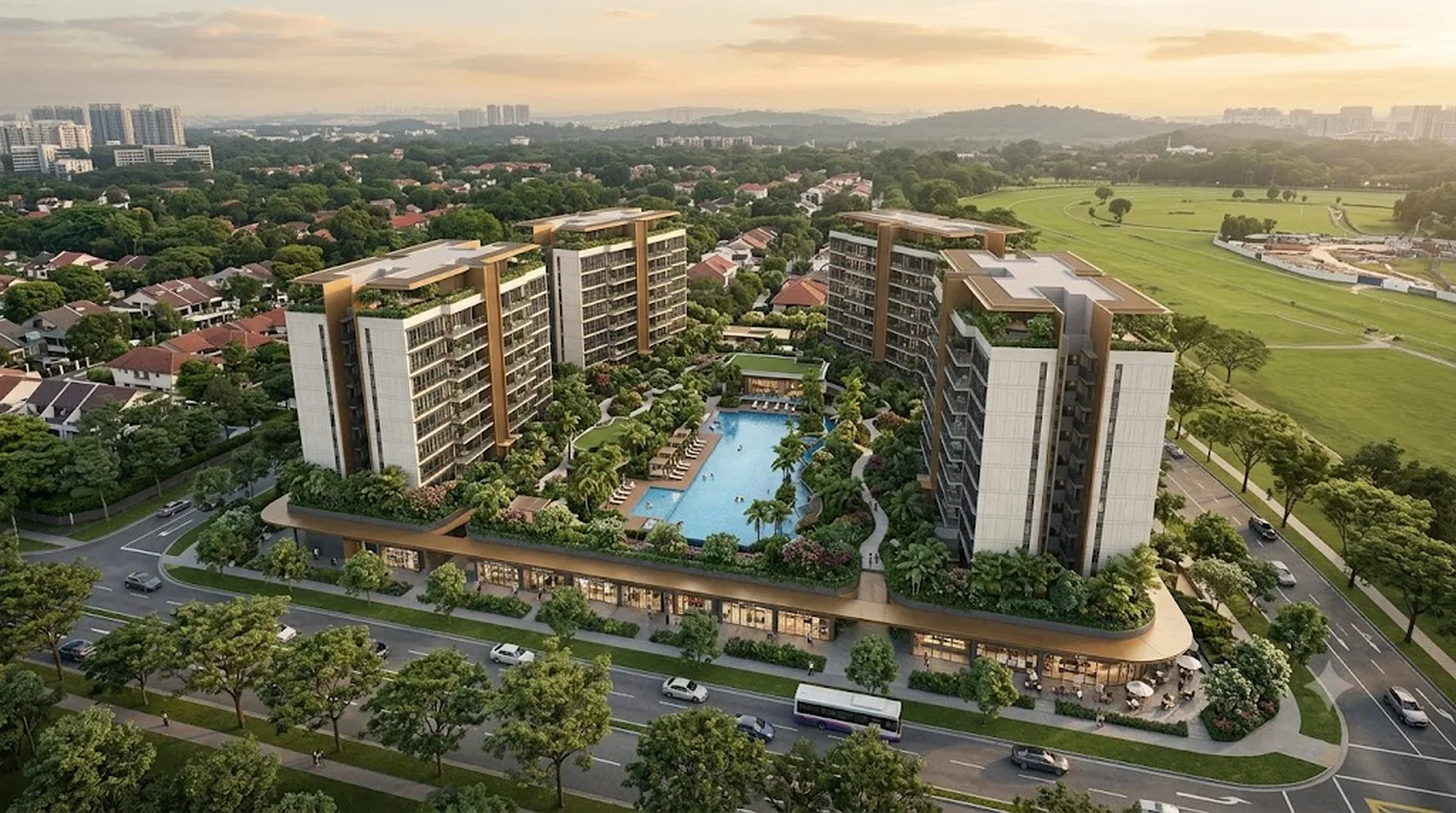
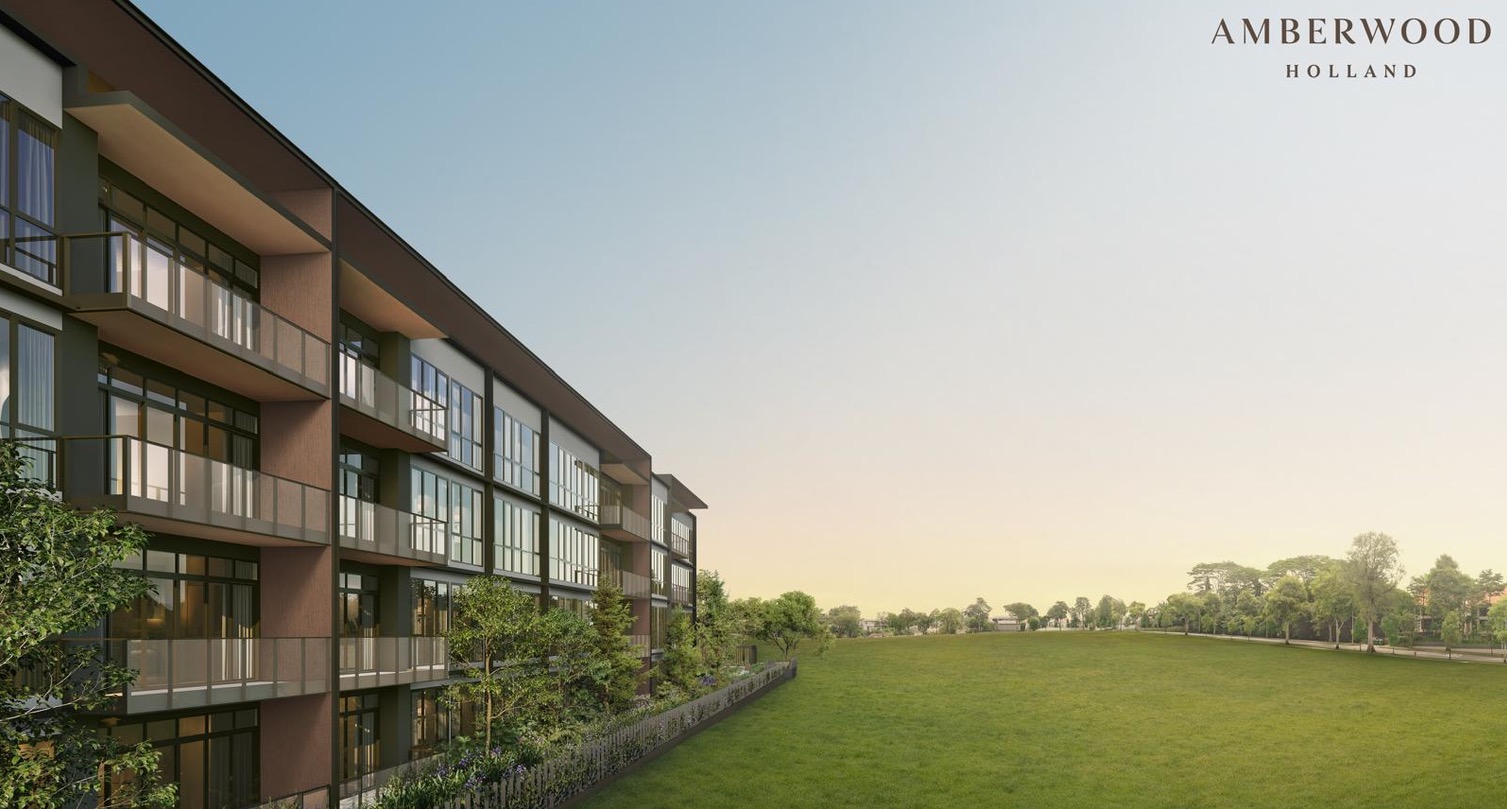
    An exceptional example of a core preservation asset is Amberwood at Holland, a low-rise residential development located along Holland Link in District 10. Positioned within the tranquil Holland Plain master-planned enclave, the project sits on a sprawling site area exceeding 185,000 square feet with a low plot ratio of 1.4, housing approximately 212 exclusive residences.

    Surrounded by prestigious Good Class Bungalow (GCB) neighborhoods and located within close proximity to Methodist Girls’ School and Henry Park Primary, developments in this corridor benefit from steady owner-occupier demand. The low-density environment ensures long-term capital defense, making it an ideal anchor for multi-generational wealth preservation.

    Portfolio Strategy Note: Prime central assets require higher capital outlays and typically deliver lower gross yields, but their land scarcity and resilient demand profile protect your underlying equity across all market cycles.

    2. Accelerating Portfolio Cash Flow: High-Yield Suburban Growth Vectors

    While core central holdings protect wealth against inflation and market volatility, active portfolio growth requires assets that generate strong operational cash flow and offer clear infrastructure-driven upside.

    Suburban regional centers benefit from government-led commercial decentralization, expanding transport networks, and concentrated pools of corporate tenants working in non-central business hubs.

    Suburban Growth Vector Characteristics:

    • Accessible Entry Quantum & Competitive $PSF Rates

    • Superior Gross Rental Yields & Low Vacancy Rates

    • Direct Integration with Regional Mass Transit Networks

    • Infrastructure-Driven Capital Appreciation Catalysts

    Capitalizing on Regional Master Plan Transformations

    To maximize cash-flow efficiency, investors target modern, transit-oriented developments situated directly inside major regional economic gateways. These properties offer accessible entry prices per square foot ($PSF), making them attractive to local upgrading families and yield-focused investors alike.

    A prime representative of a high-yield growth vector is Lucerne Grand, an integrated mixed-use development located along Lakeside Drive in District 22. Developed by City Developments Limited (CDL), this landmark project sits right beside Lakeside MRT station and features approximately 570 residential units above ground-floor commercial dining and retail spaces.

    Situated in the heart of the Jurong Lake District (JLD)—designated as Singapore’s largest business hub outside the central core—the project captures strong tenant demand from professionals working across western biomedical, tech, and engineering hubs. Its direct connection to Lakeside MRT and the 90-hectare Jurong Lake Gardens creates a compelling lifestyle proposition that drives consistent rental yields and secondary market liquidity.

    Portfolio Strategy Note: Transit-linked suburban projects near major business nodes provide the steady monthly rental income needed to service mortgage financing and build equity for future acquisitions.

    3. Implementing the Dual-Track Diversification Blueprint

    Achieving optimal performance across your real estate holdings involves balancing your allocation between core capital preservation assets and high-yield growth projects based on your investment horizon and liquidity needs.

    Step-by-Step Asset Allocation Strategy

    1. Establish Your Equity Anchor: Allocate 50% to 60% of your total real estate capital into low-density, highly defensive prime district enclaves. This secures long-term capital preservation and hedges against currency depreciation.
    2. Optimize for Cash Flow: Direct 40% to 50% of your capital toward high-efficiency, transit-linked developments in major regional growth nodes. The higher rental yield helps offset mortgage interest costs and builds monthly passive income.
    3. Align Entry Points with Master Plan Milestones: Target new launch developments that represent pioneer plots within newly designated URA master plan precincts, locking in favorable entry pricing before surrounding land costs rise.
    4. Maintain a 5- to 10-Year Holding Horizon: Give infrastructure catalysts—such as new rail line completions and regional commercial expansions—sufficient time to mature and deliver full capital appreciation.

    By combining the structural stability of prime central enclaves with the cash-flow power of suburban regional hubs, smart property investors build a resilient, balanced portfolio capable of generating both immediate returns and long-term legacy wealth.

  • Solano Grand vs Wynwood Grand: A Location Deep Dive for Smarter Home Decisions

    Solano Grand vs Wynwood Grand: A Location Deep Dive for Smarter Home Decisions

    Location is often the most important factor in property buying, but many buyers only evaluate it at a surface level. They look at a map, check travel distance once, and assume they understand the full picture. In reality, location value is built from multiple layers that affect daily life, convenience, and long-term satisfaction.

    When comparing Solano Grand and Wynwood Grand, location should not be treated as a single point. It should be broken down into how it performs in real everyday living situations.


    Connectivity and Daily Commute Experience

    Connectivity is more than distance—it is about consistency and ease of travel.

    A strong residential location should offer:

    • Reliable access to public transport
    • Smooth road connectivity
    • Predictable travel times
    • Multiple route options

    When evaluating Solano Grand and Wynwood Grand, the key question is not “how far is it?” but “how easy is it to travel daily without stress?”

    A shorter but congested route can feel worse than a slightly longer but smoother commute.


    Access to Essential Amenities

    Daily convenience depends heavily on nearby facilities.

    Important nearby essentials include:

    • Grocery stores and supermarkets
    • Clinics and healthcare services
    • Schools and learning centers
    • Banks and daily services
    • Food and dining options

    A well-located home reduces unnecessary travel and improves everyday efficiency.

    Between Solano Grand and Wynwood Grand, the stronger location is the one that supports routine needs without planning every trip in advance.


    Lifestyle Convenience vs Lifestyle Effort

    Some locations feel naturally convenient, while others require effort to access similar benefits.

    A convenient location typically allows residents to:

    • Complete errands quickly
    • Access services within short travel time
    • Reduce dependency on long trips
    • Enjoy spontaneous lifestyle activities

    When comparing Solano Grand and Wynwood Grand, lifestyle convenience becomes a major differentiator over time.

    Small daily savings in time create a large long-term impact.


    Surrounding Environment and Living Comfort

    Location is not just about convenience—it also affects how a home feels.

    Key environmental factors include:

    • Noise levels
    • Traffic density
    • Green surroundings
    • Air quality perception
    • Overall neighborhood atmosphere

    A quieter and more balanced environment often improves long-term living satisfaction, even if it is slightly less central.

    Both Solano Grand and Wynwood Grand should be evaluated not only for access, but also for comfort.


    Future Development and Growth Potential

    Location value increases when an area is expected to improve over time.

    Buyers should consider:

    • Upcoming infrastructure projects
    • Urban development plans
    • Transport expansion
    • Commercial growth potential

    A developing location can improve both livability and long-term property relevance.

    Between Solano Grand and Wynwood Grand, future growth potential can be just as important as current convenience.


    Work-Life Balance Impact

    A good location directly supports a balanced lifestyle.

    This includes:

    • Reduced commuting stress
    • Better time management
    • More family and personal time
    • Easier access to daily necessities

    Over time, location efficiency contributes more to happiness than interior design details.


    Hidden Location Factor Most Buyers Ignore

    One often-overlooked factor is daily friction.

    This includes:

    • Waiting time for transport
    • Traffic unpredictability
    • Time spent on short errands
    • Mental effort of planning trips

    Even small inefficiencies accumulate over time.

    When comparing Solano Grand and Wynwood Grand, the better location is the one that reduces this invisible daily friction.


    Simple Location Evaluation Method

    Instead of overcomplicating, use this method:

    Ask:

    • Can I reach work easily?
    • Can I buy essentials quickly?
    • Can I access services without stress?
    • Does the area feel comfortable daily?

    If most answers are yes, the location is strong.


    Final Thoughts

    Location is not just about maps or distance—it is about daily life experience. The best location is the one that quietly improves your routine without effort.

    Both Solano Grand and Wynwood Grand can offer different strengths depending on buyer priorities, but a smart decision comes from evaluating real-life convenience, not just surface-level proximity.

  • Professional Estate Sales Services in Brookhaven, GA

    Professional Estate Sales Services in Brookhaven, GA

    Whether you’re downsizing, relocating, or managing a loved one’s estate, hosting an estate sale is an effective way to organize and monetize your belongings. Residents of Brookhaven, GA, trust Professional Estate Sales, LLC for their expertise, professionalism, and personalized service.

    Why Choose an Estate Sale in Brookhaven?

    Brookhaven’s dynamic and growing community provides an excellent setting for successful estate sales. Hosting an estate sale in Brookhaven offers these advantages:

    • Streamlined Organization: Simplify the process of clearing out a home or managing assets.
    • Maximized Revenue: Professional pricing ensures items sell at fair market value.
    • Hassle-Free Process: Let the experts handle the details so you can focus on your next steps.

    Comprehensive Services from Professional Estate Sales, LLC

    Professional Estate Sales, LLC provides a full range of services to support your estate sale, including:

    • Detailed evaluation and pricing of items, from household goods to high-value collectibles.
    • Organizing and staging to create an inviting shopping experience for buyers.
    • Marketing through multiple channels, including online platforms, email lists, and local signage.
    • Post-sale clean-out and a transparent report of all transactions.

    Why Partner with Professional Estate Sales, LLC?

    As a trusted estate sale company serving Brookhaven, Professional Estate Sales, LLC brings years of experience and a commitment to delivering exceptional results. Their team is dedicated to easing the burden for clients while achieving outstanding outcomes.

    Testimonials from Brookhaven Clients

    A Brookhaven client shared, “I couldn’t have asked for a better experience. Professional Estate Sales, LLC handled every detail and ensured our sale was a success. They truly made the process stress-free.”

    Plan Your Estate Sale in Brookhaven Today

    If you’re considering an estate sale in Brookhaven, Professional Estate Sales, LLC is ready to assist. Contact their experienced team today to learn more about their tailored services and begin planning your sale with confidence.

    Professional Estate Sales, LLC – Bringing expert estate sale services to Brookhaven, GA, and beyond.

  • Why Singapore Property Remains a Safe-Haven Asset in 2026 Despite Global Uncertainty

    Why Singapore Property Remains a Safe-Haven Asset in 2026 Despite Global Uncertainty

    A Market Built on Structural Stability

    Singapore’s property market in 2026 continues to stand out globally as a safe-haven asset class. Even amid global economic uncertainty, inflationary pressures, and fluctuating interest rates, the local real estate sector remains stable due to strong governance, controlled supply, and long-term urban planning discipline.

    Unlike many international markets, Singapore does not experience extreme boom-and-bust cycles, making it attractive for long-term investors.

    Government Policy as a Stabilizing Force

    One of the key reasons for market stability is proactive government intervention. Cooling measures, stamp duties, and regulated lending policies are designed to prevent speculative bubbles and maintain affordability.

    This controlled environment ensures that price movements remain gradual rather than volatile, reducing systemic risk in the property market.

    Limited Land Supply Creates Natural Value Support

    Singapore’s geographical constraint is one of the strongest long-term price stabilizers. With a fixed land area and competing demands from residential, commercial, and industrial use, housing supply is naturally limited.

    This scarcity effect ensures that well-located properties retain value over time, even during slower economic periods.

    Economic Strength and Global Positioning

    Singapore’s strong economic fundamentals also support property resilience. As a global financial hub with a diversified economy, it attracts steady inflows of talent, capital, and multinational companies.

    This sustained economic activity creates continuous housing demand across both ownership and rental segments.

    Consistent Rental Demand from a Global Workforce

    Rental demand remains a key pillar of Singapore’s safe-haven status. The presence of expatriates, professionals, and international students ensures a stable tenant base even during global downturns.

    This rental stability provides investors with a reliable income stream, which is especially important during periods of financial uncertainty.

    Flight to Quality in Uncertain Times

    During global uncertainty, investors often shift capital toward stable, tangible assets. Singapore property benefits from this “flight to quality” effect, where capital is preserved in low-risk environments rather than speculative markets.

    This reinforces long-term demand, particularly for well-located and high-quality residential developments.

    Role of Well-Planned Residential Developments

    In a stable but selective market, location and design quality become even more important. Buyers prioritize properties that offer long-term livability, strong infrastructure access, and future growth potential.

    Modern developments such as Lucerne Grand reflect this trend by combining strategic location advantages with contemporary design, making them attractive to both local and foreign investors seeking stability.

    Suburban Resilience and Decentralised Growth

    Singapore’s decentralisation strategy has strengthened suburban resilience. Regional hubs are becoming more self-sufficient with improved transport links, commercial centers, and lifestyle amenities.

    This reduces reliance on central districts and spreads demand more evenly across the island, supporting long-term market stability.

    Currency Stability and Capital Preservation

    Another key factor supporting Singapore’s safe-haven status is currency stability. The Singapore dollar is widely regarded as strong and stable, which helps preserve purchasing power for investors.

    This makes real estate not only a physical asset but also a hedge against currency volatility in other markets.

    Lifestyle Demand in a Stable Market

    Even in uncertain times, lifestyle preferences continue to shape housing demand. Buyers and tenants still prioritize comfort, convenience, and quality living environments.

    Developments like Island Residences align with this demand by offering a more balanced residential experience that emphasizes tranquility while maintaining accessibility to key urban areas. This makes such properties attractive for long-term occupancy and stability-focused investors.

    Reduced Speculation Strengthens Market Health

    One positive effect of global uncertainty combined with local policy control is reduced speculation. With fewer short-term speculative buyers, the market becomes more end-user driven.

    This leads to more sustainable pricing trends and reduces the risk of sharp corrections.

    Long-Term Investor Confidence Remains Strong

    Despite external volatility, investor confidence in Singapore property remains high. Institutional investors, high-net-worth individuals, and long-term buyers continue to view the market as a secure store of value.

    This confidence is built on decades of consistent performance and strong regulatory oversight.

    Conclusion

    Singapore’s property market in 2026 continues to function as a safe-haven asset class due to its structural stability, limited land supply, strong governance, and consistent rental demand.

    While global uncertainties may influence short-term sentiment, the long-term fundamentals remain intact. Properties that combine strong location, quality design, and lifestyle relevance are best positioned to retain value.

    Developments such as Lucerne Grand and Island Residences reflect the type of assets that align with this stability-focused investment environment, making them relevant choices for investors prioritizing long-term security over short-term speculation.

  • Why Some Singapore Condos Outperform Even in Weak Property Cycles: What Smart Investors Understand Early

    Why Some Singapore Condos Outperform Even in Weak Property Cycles: What Smart Investors Understand Early

    In Singapore’s real estate market, not all properties move with the same rhythm. Even during weak or cooling cycles, certain condos continue to hold value, maintain demand, or even outperform the broader market.

    This performance gap is not random. It is driven by structural advantages that many buyers overlook at the time of purchase. Developments like Thomson Reserve and Amberwood at Holland help illustrate why some properties remain resilient while others stagnate when the market slows.

    1. Location Strength That Works Across All Cycles

    The most consistent factor behind outperformance is location resilience.

    Strong locations have one key advantage: they remain desirable regardless of market sentiment.

    These locations typically offer:

    • Long-term residential demand
    • Strong accessibility
    • Established amenities
    • Limited land availability

    In weaker markets, buyers become more selective, and only locations with proven demand continue to attract serious interest.

    • A development like Thomson Reserve benefits from stable residential appeal, which tends to hold demand even during slower cycles
    • A lifestyle-oriented project like Amberwood at Holland benefits from established connectivity and surrounding vibrancy, which helps maintain buyer interest even when sentiment weakens

    Location does not eliminate cycles—but it reduces volatility, and property owners evaluating their options may also consider specialized services such as We Buy Land in Atlanta when looking to sell land.

    2. Tenant Demand Stability vs Speculative Demand

    One of the biggest differences between outperforming and underperforming condos is the type of tenant demand they attract.

    There are two main categories:

    Stable Demand Assets

    • Family tenants
    • Long-term leases
    • Lower turnover
    • Consistent occupancy

    Speculative Demand Assets

    • Short-term tenants
    • Higher mobility
    • Sensitive to economic changes
    • Faster rental fluctuations

    In weaker cycles:

    • Stable-demand properties continue generating consistent rental income
    • Speculative-demand properties may experience sharper adjustments

    This is why Thomson Reserve tends to show steady resilience, while Amberwood at Holland may experience more cyclical rental movement but stronger peak demand phases.


    3. Supply Shielding Effect

    Properties that outperform during weak cycles often benefit from supply protection.

    This occurs when:

    • Few new competing developments exist nearby
    • The micro-market is mature
    • Replacement supply is limited

    When supply is constrained:

    • Buyers have fewer alternatives
    • Resale demand remains steady
    • Price drops are less severe

    In contrast, areas with heavy new launch activity often experience stronger competition during downturns.

    Supply shielding helps maintain price stability even when broader sentiment weakens.


    4. Buyer Profile Strength During Downturns

    In weak cycles, buyer behavior changes significantly.

    Typical shifts include:

    • Investors exit the market or delay purchases
    • Only end-users remain active
    • Buyers become more value-focused

    This means properties that appeal strongly to owner-occupiers tend to outperform.

    • Residential-focused developments like Thomson Reserve often benefit from consistent end-user demand
    • Lifestyle-driven developments like Amberwood at Holland attract selective buyers who prioritize location and convenience even in cautious markets

    The stronger the owner-occupier base, the better the resilience.


    5. Rental Floor Support

    Even in weak markets, strong condos maintain a rental floor, which prevents sharp value declines.

    A rental floor is supported by:

    • Consistent tenant demand
    • Competitive rental pricing relative to alternatives
    • Low vacancy periods

    When rental demand remains stable, investors are less likely to sell at a loss, which supports price stability.

    This is particularly important during economic slowdowns when capital appreciation is weak.


    6. Psychological “Safe Asset” Perception

    Market perception plays a major role in performance.

    Some properties are viewed as:

    • Safe long-term holds
    • Low-risk residential assets
    • Reliable rental performers

    These perceptions attract buyers even during uncertain periods.

    Properties that build this reputation tend to:

    • Experience faster recovery after downturns
    • Retain stronger liquidity
    • Attract more end-user interest

    Both Thomson Reserve and Amberwood at Holland benefit from different types of perceived safety—one through stability, the other through location strength.


    7. Layout Efficiency and Usability Advantage

    During weak cycles, buyers become more critical of layout efficiency.

    Condos with:

    • Functional layouts
    • Flexible room usage
    • Good natural lighting
    • Practical sizing

    tend to outperform because buyers prioritize usability over luxury branding.

    Poor layouts become harder to sell in slow markets, even if the location is strong.


    8. Liquidity Advantage in Resale Market

    Liquidity is one of the most important factors in weak cycles.

    A property with strong liquidity:

    • Sells faster
    • Requires fewer price adjustments
    • Maintains buyer interest

    Liquidity is driven by:

    • Broad buyer appeal
    • Strong rental demand
    • Recognizable location value

    When liquidity remains strong, price declines are usually limited.


    9. Emotional Resistance from Existing Owners

    Interestingly, properties with strong performance histories often experience resistance from sellers.

    Owners are less willing to:

    • Reduce prices aggressively
    • Exit at a loss
    • Accept undervalued offers

    This reduces downward pressure in the resale market and supports price stability.


    10. Long-Term Value Memory Effect

    Some condos develop what can be called a value memory effect.

    This means:

    • Past strong performance supports future buyer confidence
    • Historical demand patterns influence current pricing behavior
    • Buyers are willing to pay premiums based on long-term reputation

    This effect helps certain properties recover faster after downturns.


    Final Thoughts

    Even in weak property cycles, not all condos perform equally. The difference lies in structural resilience, not short-term sentiment.

    Thomson Reserve demonstrates how stable residential demand and long-term livability support consistent performance across cycles. Amberwood at Holland shows how strong location appeal and lifestyle demand can sustain interest even during cautious market phases.

    In Singapore real estate, outperformers are not defined by avoiding cycles—they are defined by surviving them better than others.

    Understanding these drivers allows investors to focus not just on growth periods, but on resilience, which ultimately determines long-term success.

  • City-Fringe Living: How Singapore’s Decentralisation Shapes Modern Residential Choices

    City-Fringe Living: How Singapore’s Decentralisation Shapes Modern Residential Choices

    As Singapore grows, urban planning strategies have shifted to promote decentralisation and balance city density. Rather than concentrating all activity in the central business district, new growth hubs and residential precincts are being developed around transport nodes, innovation districts, and lifestyle clusters. This approach has significant implications for both homeowners and investors, influencing how developments are designed and where buyers choose to live.

    Developments such as Hudson Place Residences and Dunearn House highlight how contrasting residential environments can cater to different lifestyle and long-term goals while benefiting from Singapore’s decentralisation efforts.

    The Rise of City-Fringe Living

    City-fringe areas offer the best of both worlds: proximity to economic and lifestyle hubs, without the congestion and high costs of central districts. For many young professionals and families, these districts provide convenience, connectivity, and modern amenities within a more sustainable urban environment.

    Hudson Place Residences, located in the one-north precinct, exemplifies this trend. One-north has been intentionally developed as a knowledge and innovation hub, hosting research institutions, technology firms, and creative enterprises. By situating residential developments nearby, the precinct supports integrated work-life routines, shortens commutes, and fosters dynamic community interaction.

    Established Districts and Decentralised Stability

    While new hubs like one-north attract professionals, mature residential districts offer a different kind of city-fringe benefit: stability. Areas with established schools, parks, and low-density housing provide long-term desirability that is less affected by market cycles.

    Dunearn House, along Dunearn Road, represents this enduring appeal. Its location within a well-established neighbourhood offers residents a tranquil living environment while still being connected to key urban nodes via major roads and MRT lines. For families and long-term homeowners, this combination of calm and accessibility provides a compelling proposition.

    Transport Connectivity as a Decentralisation Tool

    Singapore’s decentralisation strategy relies heavily on transport infrastructure. MRT lines, bus networks, and arterial roads create multiple urban centres that reduce congestion in the city core while enhancing accessibility for residential precincts.

    Hudson Place Residences benefits from nearby MRT stations and bus connectivity, enabling residents to reach business districts, educational institutions, and lifestyle areas efficiently. Dunearn House, while located in a quieter enclave, also enjoys easy access to transport links, making it practical for daily commutes without sacrificing neighbourhood serenity.

    Lifestyle Considerations in Decentralised Districts

    Beyond transport, city-fringe developments are increasingly planned with lifestyle in mind. Amenities, green spaces, recreational options, and community facilities are integrated to support daily living, promote wellness, and create vibrant neighbourhoods.

    In Hudson Place Residences, residents enjoy a mix of modern amenities tailored to urban professionals — from fitness and recreational facilities to cafés and co-working hubs. Dunearn House, meanwhile, offers a more family-oriented environment, with greenery, low-density layouts, and established communal facilities. Both approaches demonstrate how decentralisation accommodates different lifestyle preferences while supporting urban growth.

    Balancing Short-Term Convenience and Long-Term Value

    For buyers, the choice between a dynamic innovation hub and a stable residential enclave often comes down to lifestyle and long-term value. Developments near economic clusters, like Hudson Place Residences, provide potential for growth and rental demand, particularly for working professionals and investors. Established districts like Dunearn House offer consistent property value, community stability, and family-friendly living.

    Decentralisation has made these choices possible. By spreading economic and residential activity across multiple nodes, Singapore enables homeowners to select properties that align with both current needs and future aspirations.

    Conclusion: Decentralisation and Residential Choice

    Singapore’s decentralisation strategy has reshaped the way residents choose homes. Whether opting for the vibrant city-fringe lifestyle of Hudson Place Residences or the enduring stability of Dunearn House, buyers now have diverse options tailored to their priorities. Both types of developments demonstrate that decentralisation not only eases city congestion but also enhances the liveability and long-term relevance of residential areas.

    In this evolving urban landscape, selecting a home is about more than location—it is about aligning lifestyle, connectivity, and long-term value with the broader structure of the city itself.

  • Where Time and Design Matter Most: Tengah’s Commute Advantage and Vela Bay’s Elevated Living Standards

    Where Time and Design Matter Most: Tengah’s Commute Advantage and Vela Bay’s Elevated Living Standards

    As Singapore progresses toward a more decentralised and efficiency-driven urban model in 2026, property buyers are rethinking what truly defines a good location. Proximity alone is no longer enough; developments must now deliver time savings, lifestyle quality, and future resilience. Tengah Garden Residences and Vela Bay represent two developments that answer this demand in different but equally strategic ways—one through intelligent mobility planning, the other through meticulous residential design.

    Rethinking Daily Travel in Singapore’s West

    Tengah has been purpose-built to function differently from older housing estates. Instead of retrofitting transport infrastructure years after completion, mobility has been embedded into the town’s DNA from the outset. This approach directly enhances the commute convenience Tengah residents experience on a daily basis. The upcoming Jurong Region Line connects Tengah seamlessly to Jurong Lake District and the Jurong Innovation District, significantly shortening travel times to major employment nodes.

    What sets Tengah apart is how commuting begins before residents even step onto a train. Car-lite streets, sheltered walkways, and cycling corridors allow residents to move comfortably through the estate without navigating traffic-heavy roads. This design reduces stress, improves safety, and transforms the daily commute into a more pleasant routine—an increasingly valuable benefit for professionals and families alike.

    Efficiency as a Lifestyle Upgrade

    The commute convenience Tengah offers is not simply about reaching destinations faster; it is about reclaiming time. Shorter and smoother commutes translate into more hours spent with family, exercising, or resting. For residents of Tengah Garden Residences, this time efficiency is complemented by nearby amenities and green spaces, allowing daily life to revolve around the neighbourhood rather than long journeys across the island.

    From an investment perspective, developments that reduce commute friction tend to attract long-term tenants. As businesses continue to expand in the western corridor, Tengah’s accessibility positions it as a practical residential base for a growing workforce seeking balance between work and home.

    A Different Kind of Precision at Vela Bay

    While Tengah focuses on town-scale efficiency, Vela Bay approaches value from within the home itself. The Vela Bay condo features are designed to elevate everyday living through thoughtful detailing and modern functionality. Rather than relying solely on external attractions, the development delivers a refined residential experience that begins the moment residents enter their units.

    Smart-home systems allow seamless control of lighting, climate, and security, while high-quality materials and efficient layouts enhance comfort and usability. These features respond directly to how people live in 2026—working flexibly, valuing privacy, and expecting technology to simplify daily routines rather than complicate them.

    Shared Spaces That Enhance Urban Living

    Beyond individual units, the Vela Bay condo features extend into communal areas that support wellness and social interaction. Landscaped decks, relaxation zones, and rooftop spaces are designed to offer residents moments of retreat without leaving the development. These amenities cater to modern urban dwellers who want convenience without sacrificing lifestyle quality.

    Located within the Bayshore precinct, Vela Bay also benefits from proximity to East Coast Park, dining destinations, and cultural neighbourhoods. Combined with access to the Thomson–East Coast Line, residents enjoy swift connectivity to the CBD while remaining grounded in one of Singapore’s most established lifestyle districts.

    Two Developments, Two Interpretations of Convenience

    Tengah Garden Residences and Vela Bay both respond to the modern buyer’s demand for convenience—but in different ways. Tengah delivers convenience through macro-level planning: transport integration, walkability, and reduced reliance on cars. Vela Bay delivers it through micro-level refinement: smart features, efficient layouts, and curated shared spaces.

    Buyers who prioritise time savings and smooth daily travel may gravitate toward Tengah Garden Residences. Those who value interior comfort, design quality, and lifestyle-driven amenities may find Vela Bay more aligned with their expectations. Importantly, both developments avoid trying to be everything to everyone, strengthening their long-term positioning.

    Market Resilience and Investment Outlook

    In a maturing market, clarity of value proposition matters. Tengah Garden Residences benefits from its role within a government-backed growth corridor, supported by employment hubs and infrastructure investment. As Tengah becomes fully operational, early residential developments are likely to benefit from gradual value uplift.

    Vela Bay, on the other hand, draws strength from scarcity and desirability. Well-designed developments in the East Coast with strong transport access remain limited, supporting price resilience and rental demand. The Vela Bay condo features cater to a tenant pool that prioritises quality and convenience, often translating into lower vacancy and stable yields.

    Conclusion: Choosing Efficiency or Refinement

    In 2026, property decisions in Singapore are increasingly shaped by how developments support everyday life. Tengah Garden Residences redefines commuting by embedding efficiency into the town’s layout, offering residents a smoother, more balanced daily rhythm. Vela Bay focuses on elevating the home itself, delivering design-led comfort through high-quality features and thoughtful amenities.

    Both developments reflect the direction of Singapore’s housing future—intentional, lifestyle-driven, and aligned with long-term urban planning. For buyers and investors, the choice lies not in which is better, but in which form of convenience best supports their vision of modern living.

  • The Gold Standard of West Palm Beach Security: Expertise for a Growing City

    The Gold Standard of West Palm Beach Security: Expertise for a Growing City

    West Palm Beach has emerged as one of Florida’s most vibrant economic centers. With this growth comes the increased responsibility of protecting your property. Whether you are moving into a luxury condo along the waterfront or opening a new retail storefront in downtown, your first line of defense is always the quality of your locks. For over 20 years, property owners in the area have relied on Door N Key Locksmith for expert, dependable service. When searching for a Locksmith West Palm Beach, FL, experience, punctuality, and professionalism are what set a service apart.

    Door N Key Locksmith is located at 1705 Donna Rd Unit 17, West Palm Beach, FL 33409 and is available 24/7 at (561) 510-4642 or online at doornkey.com.

    More Than Just a Key: A Legacy of Trust

    In an era dominated by large, impersonal corporations, Door N Key remains proudly family-operated. This distinction is vital in the locksmith industry—hiring a Locksmith West Palm Beach, FL means inviting someone into your most private spaces: your home, office, and vehicle.

    For over two decades, Door N Key has built a reputation for treating every customer with care, professionalism, and attention to detail. Their technicians are not just staff members—they are highly skilled experts who understand the evolution of West Palm Beach architecture and security needs, from traditional mechanical locks to advanced high-security systems. This local, long-term commitment ensures solutions that are effective, affordable, and transparent.

    Versatility in Protection: Commercial and Residential Locksmith Services

    The security needs of a growing city are diverse. A boutique on Clematis Street requires a different approach than a historic home in El Cid. Door N Key bridges this gap by offering comprehensive Commercial and Residential Locksmith Services tailored to each property’s environment.

    For the Modern Homeowner

    Residential security is about more than locking doors—it’s about peace of mind. Door N Key provides specialized home lockout services, recognizing that being locked out in the heavy Florida rain is a true emergency. Beyond emergencies, their services include professional rekeying and lock changes.

    • Rekeying: Maintains your existing hardware while ensuring old keys no longer work, protecting your home from previous occupants or contractors.
    • High-Security Locks: Enhances protection against forced entry, corrosion, and wear from Florida’s climate.

    For the Business Community

    Commercial security is an investment in continuity. A break-in can result in costly losses and operational disruption. Door N Key supports local businesses by installing high-security commercial door locks and designing Master Key Systems:

    • Master Key: Grants the owner access to every entry point.
    • Sub-Master Keys: Restrict access to specific departments.
    • User Keys: Limit entry to individual offices or zones.

    From office lockouts to broken key extraction in heavy-duty storefront doors, Door N Key is the trusted partner for West Palm Beach businesses, ensuring operations continue seamlessly 24/7.

    Specialized Automotive Excellence

    Door N Key also excels in automotive locksmithing, servicing modern and luxury vehicles, including Audi, BMW, Mercedes, Lexus, Porsche, and Land Rover.

    Services include:

    • Car Key Replacement and Programming
    • Transponder Key Duplication
    • Broken Key Extraction

    Their mobile units bring dealer-level technology directly to your location, 24/7, saving time and expense while ensuring rapid resolution.

    The 24/7 Commitment to Palm Beach County

    Security emergencies are unpredictable. Whether it’s a trunk lockout at midnight or a business lockout at dawn, Door N Key is always ready. Their 24-hour emergency service covers West Palm Beach, Jupiter, Wellington, Palm Springs, and Boca Raton, providing prompt, professional response with licensed technicians and a 100% satisfaction guarantee.

    No hidden fees. No inflated off-hours charges. Just reliable, expert locksmithing whenever you need it.

    Conclusion: Locking Your Worries Away

    With over 20 years of trusted service, Door N Key Locksmith remains the go-to choice for anyone seeking a Locksmith West Palm Beach, FL. By combining the personal touch of a family business with the technical range of professional Commercial and Residential Locksmith Services, they set the standard for security in South Florida.

    Your property is your most valuable asset—don’t settle for anything less than the experience, quality, and affordability that Door N Key provides.

    📞 Call Today: (561) 510-4642
    📍 Address: 1705 Donna Rd Unit 17, West Palm Beach, FL 33409
    🌐 Website: doornkey.com

  • Vela One: Luxury Living with a Focus on Lifestyle and Well-Being

    Vela One: Luxury Living with a Focus on Lifestyle and Well-Being

    When it comes to luxury living, it’s not just about the aesthetics or the property itself—it’s about the lifestyle that a development offers. Vela One, located in Singapore’s prestigious Upper East Coast, is designed to elevate the living experience for its residents. Developed by SingHaiyi Group, this premium residential development combines luxury, comfort, and well-being. With a carefully curated selection of amenities, community-focused spaces, and proximity to key lifestyle hubs, Vela One provides a living environment that is not only beautiful but also practical and enriching. Let’s explore how Vela One is transforming the way we live, work, and play in Singapore.

    What Are the Key Lifestyle Amenities at Vela One?

    At Vela One, every aspect of the design has been tailored to ensure that residents can enjoy a balanced and fulfilling lifestyle. The development offers an extensive range of luxury amenities that encourage relaxation, well-being, and social interaction. But what exactly sets the amenities at Vela One apart?

    A Fully Equipped Fitness Center

    In today’s fast-paced world, health and fitness are paramount. Vela One acknowledges the importance of physical well-being by providing a state-of-the-art fitness center. Whether you’re a regular gym-goer or simply want to stay active, this fully equipped facility is designed to meet the needs of all residents.

    • Cutting-edge Equipment: The gym features the latest fitness equipment, including cardio machines, weights, and resistance training gear.
    • Yoga and Meditation Spaces: For those who prefer a more relaxed approach to fitness, the development also offers dedicated yoga and meditation areas, allowing residents to unwind and recharge.

    Refreshing Outdoor Amenities

    As much as we value the indoors, spending time outside in a peaceful, green environment can greatly improve overall well-being. Vela One offers an abundance of outdoor amenities that enhance residents’ connection with nature.

    • Landscaped Gardens: The development boasts beautifully landscaped gardens where residents can take a stroll, meditate, or simply enjoy the lush greenery.
    • Outdoor Lounges and BBQ Areas: The outdoor lounges and BBQ pits create an ideal space for socializing and hosting gatherings with friends and family. Imagine enjoying a warm evening grilling by the pool while looking out over the stunning views of East Coast Park.

    A Relaxing Infinity Pool

    There’s nothing quite like unwinding by a luxurious pool after a busy day. At Vela One, residents have access to a stunning infinity pool that overlooks the lush surroundings. Whether you’re swimming laps, lounging poolside, or enjoying a cocktail with friends, the pool area provides the perfect setting for relaxation and social interaction.

    • Infinity Pool with Scenic Views: The pool design seamlessly blends with the environment, offering breathtaking views of the park and nearby waterfront.
    • Poolside Cabanas: Private cabanas provide residents with a shaded retreat to relax and escape the sun, making the pool area even more enjoyable for those seeking a luxurious outdoor experience.

    How Does Vela One Foster a Sense of Community?

    Living in a luxury development doesn’t just mean having a beautiful space to call home—it’s also about the community you build around it. At Vela One, fostering a sense of community is central to the development’s ethos. But what makes this community aspect so special?

    Clubhouse for Social Interaction

    At Vela One, the clubhouse serves as the heart of social activity, offering residents a shared space for relaxation and socializing. Whether you’re attending an event, meeting new neighbors, or enjoying an evening in with family, the clubhouse provides a central gathering place for residents to connect.

    • Multifunctional Spaces: The clubhouse is designed with versatility in mind, featuring both formal and informal spaces for social interaction. Whether it’s hosting a private event or simply enjoying a quiet moment with friends, the clubhouse accommodates all kinds of gatherings.
    • Regular Events and Activities: The development’s management team frequently organizes community events such as movie nights, fitness classes, and seasonal celebrations to encourage engagement and create a close-knit environment.

    Child-Friendly Amenities for Growing Families

    For families with young children, a sense of community becomes even more important. Vela One caters to families by providing a safe, engaging environment for children.

    • Children’s Play Area: The development features a safe and vibrant play area where children can enjoy outdoor activities, make friends, and develop social skills.
    • Youth Programs and Activities: Vela One also offers programs and activities tailored to children and teenagers, ensuring that the entire family can enjoy a fulfilling lifestyle within the development.

    How Does Vela One Connect You to Singapore’s Best Lifestyle Destinations?

    Beyond its incredible on-site amenities, Vela One is strategically located to connect residents to the best that Singapore has to offer. But what lifestyle destinations make Vela One so desirable?

    Proximity to East Coast Park and Recreational Spaces

    For residents who love the outdoors, East Coast Park is just a short distance from Vela One. This expansive park is a haven for recreational activities, from cycling and jogging to barbecuing with family and friends. Living near East Coast Park offers an ideal escape from the hustle and bustle of city life, while still being close enough to enjoy easy access to work, leisure, and entertainment.

    • Cycling and Water Sports: Whether you enjoy cycling along scenic trails or taking part in water sports, East Coast Park provides ample opportunities for an active, outdoor lifestyle.
    • Beachfront Dining and Cafes: The park is also home to a variety of beachfront cafes and restaurants, perfect for casual dining or enjoying a sunset view.

    Connectivity to Major Commercial and Shopping Hubs

    In addition to being close to nature, Vela One also offers exceptional connectivity to Singapore’s commercial districts. The development is located near major roads and expressways, making it easy to access key business hubs, shopping malls, and dining districts.

    • Changi Business Park and Singapore Expo are just a short drive away, making Vela One an ideal location for professionals working in the business district.
    • East Coast Shopping Malls: Residents can enjoy quick access to nearby shopping malls like Bedok Mall, I12 Katong, and Parkway Parade, where they can shop for everyday essentials, indulge in luxury retail, or enjoy a variety of dining options.

    How Does Vela One Prioritize Wellness and Mental Well-Being?

    In an era where well-being is a priority, Vela One ensures that both physical and mental wellness are at the forefront of its design. So, how does the development create a sanctuary for residents looking to unwind and recharge?

    Wellness-Focused Design

    From the green spaces to the wellness amenities, Vela One is designed to support residents’ mental and emotional well-being. The peaceful environment encourages relaxation, while the development’s amenities support active and healthy living. Whether you’re enjoying a morning jog by the park or participating in yoga classes at the clubhouse, Vela One offers countless ways to prioritize wellness in daily life.

    Creating Moments of Peace and Reflection

    For those looking to meditate, reflect, or simply enjoy a quiet moment, the development offers numerous tranquil spaces that promote calmness and peace of mind. Whether it’s the landscaped gardens, serene walking paths, or the meditation areas, every corner of Vela One encourages moments of stillness and reflection, making it the perfect escape from the stress of everyday life.

    Conclusion: A Lifestyle Designed for Luxury and Well-Being

    Vela One is more than just a home; it’s a complete lifestyle offering. From its luxurious amenities and wellness-focused design to its vibrant community atmosphere and proximity to recreational hubs, the development is built to enhance the living experience in every way. Whether you’re looking for a space to relax, connect with others, or stay active, Vela One provides everything you need to live your best life.

    With its blend of luxury, comfort, and well-being, Vela One is redefining what it means to live well in Singapore.