Category: Home Improvement

  • Why Buying Your Next Freezer Locally Makes Perfect Sense

    Why Buying Your Next Freezer Locally Makes Perfect Sense

    Buying a large appliance is a big investment for any household. Many buyers go straight to large online retailers to find a new chest or upright freezer. However, choosing to shop local to buy freezers offers distinct advantages that extend far beyond a simple transaction. Local independent appliance shops provide a level of care and community connection that large companies cannot match. By visiting a nearby retailer, you gain access to high-quality products while directly contributing to the economic health of your immediate area. This decision impacts both your personal satisfaction with the appliance and the prosperity of your neighbourhood.

    Supporting Your Community More Than Just a Purchase

    Redirecting your spending to local independent businesses yields measurable economic benefits for your region. Studies repeatedly demonstrate that a significantly higher percentage of money spent at local stores remains circulating within the local economy compared to funds spent at national chains. The freezer shop owners live in your community, pay local taxes, and often sponsor neighbourhood initiatives. Selecting a local supplier for your refrigeration needs means you are directly funding local employment and supporting the families who live down the street. This economic multiplier effect builds stronger, more resilient high streets that benefit everyone who lives nearby.

    Personalised Service and Expertise

    Large retail chains frequently suffer from high staff turnover and a lack of specific product knowledge. Conversely, local appliance dealers often possess decades of hands-on experience with the exact models they sell. These professionals understand the subtle differences between a frost-free upright model and a deep-freeze chest unit. They take the time to listen to your specific storage requirements, space limitations, and energy consumption concerns. Because their reputation relies heavily on word-of-mouth recommendations, local merchants are deeply invested in finding the exact appliance that solves your storage problems. They want you to leave happy, rather than pushing a high-margin item that fails to meet your expectations.

    Convenience and Accessibility

    A common misconception is that massive warehouses offer the fastest delivery times. In reality, local shops frequently outperform their larger competitors regarding logistics and aftercare. When you purchase a freezer from a nearby store, delivery schedules are often much more flexible and accommodating to your personal timetable. If you encounter a mechanical fault or require maintenance assistance weeks after the sale, a local dealer provides immediate, accessible support. You can speak directly to the person who sold you the unit, avoiding the frustration of automated telephone systems and distant customer service centres. This proximity guarantees a prompt resolution to any mechanical faults.

    Finding the Right Freezer for Your Needs

    Selecting the appropriate cooling unit requires careful consideration of your household eating habits and available floor space. A knowledgeable local retailer will guide you through the process of measuring your designated space, accounting for necessary ventilation gaps. They will explain the practical differences between energy ratings, helping you calculate potential electricity costs over the lifespan of the machine. If you hunt regularly or bulk-buy produce, the dealer might suggest a high-capacity chest freezer. Alternatively, if kitchen floor space is limited, they can present slimline upright models that maximise vertical storage. This direct consultation helps secure an appliance that perfectly fits your daily routine.

    Make a Smart Choice for Your Home and Community

    Deciding where to buy your next household appliance carries significant weight. Choosing a nearby independent retailer provides you with exceptional customer care, faster logistical support, and genuine product expertise. You acquire a reliable machine for preserving your food while simultaneously strengthening your local economy. Next time you need to upgrade your cold storage, bypass the generic search engine results and visit the appliance specialist on your local high street. You will walk away with a high-quality product and the confidence that your purchase genuinely matters to the people in your town.

  • Why Homeowners Are Choosing Windows in Middlesbrough to Improve Energy Efficiency

    Why Homeowners Are Choosing Windows in Middlesbrough to Improve Energy Efficiency

    Homeowners across Middlesbrough are increasingly investing in modern window solutions to improve comfort, reduce energy costs, and enhance the appearance of their properties. With rising energy prices and growing awareness of home efficiency, replacing outdated windows has become one of the most effective home improvement projects available.

    The Growing Demand for Windows in Middlesbrough

    Many properties throughout Middlesbrough still have older window systems that struggle to provide adequate insulation. These windows can allow heat to escape during winter and permit unwanted drafts to enter the home. As a result, homeowners often face higher heating bills and less comfortable living conditions.

    Modern windows in Middlesbrough are designed to address these challenges by offering improved thermal performance, enhanced security, and better overall durability. Whether for traditional homes or contemporary properties, new window installations provide a practical solution for improving everyday living.

    Energy Efficiency Benefits

    One of the main reasons homeowners choose replacement windows is energy efficiency. Modern double-glazed and triple-glazed windows help retain heat inside the property while reducing energy loss through the glass and frames.

    By installing high-quality windows in Middlesbrough, homeowners can often notice improved indoor temperatures and lower heating costs. Better insulation also reduces the strain on heating systems, making homes more environmentally friendly and cost-effective to maintain.

    Improving Security and Peace of Mind

    Security is another important factor when selecting new windows. Modern window systems are equipped with advanced locking mechanisms and strong frame materials that help protect homes from potential intruders.

    Many homeowners appreciate the added peace of mind that comes with professionally installed windows in Middlesbrough, particularly when upgrading from older window designs that may no longer meet current security standards.

    Enhancing Kerb Appeal

    New windows can dramatically improve the appearance of a property. Clean lines, modern finishes, and stylish frame options can instantly refresh a home’s exterior while complementing its architectural style.

    Whether choosing classic casement windows, elegant bay windows, or sleek aluminium frames, homeowners can find windows in Middlesbrough that match their aesthetic preferences while increasing the overall value of their property.

    Choosing the Right Installation Company

    The quality of installation is just as important as the quality of the windows themselves. Proper fitting helps maximize energy efficiency, security, and long-term performance.

    Homeowners searching for reliable windows in Middlesbrough can benefit from working with experienced professionals who understand local property styles and provide tailored solutions. Expert installation ensures that windows perform effectively for many years while delivering maximum value.

    Why Swish Home Improvements Is a Trusted Choice

    Swish Home Improvements has established a strong reputation across the North East for delivering high-quality home improvement solutions. The company offers a wide range of modern uPVC and aluminium windows designed to improve energy efficiency, security, and visual appeal.

    With a commitment to quality workmanship and customer satisfaction, Swish Home Improvements helps homeowners transform their properties with products built to last.

    Conclusion

    Investing in modern windows is one of the most effective ways to improve a home’s efficiency, comfort, and appearance. From reducing energy bills to increasing security and property value, the benefits are substantial. For homeowners considering windows in Middlesbrough, choosing high-quality products and professional installation can provide long-lasting results and a worthwhile return on investment.

  • Why Buying Factory-Direct is the Ultimate “Cheat Code” for Sydney Renovators

    Why Buying Factory-Direct is the Ultimate “Cheat Code” for Sydney Renovators

    Let’s pull back the curtain for a second. If you’ve been shopping for window treatments at high-end boutiques or massive retail chains, you’ve probably noticed the same thing: the lead times are long, and the markups are even longer.

    For the past decade, I’ve been on the “inside” of the industry, running our blinds factory right here in the Sydney region. I’ve seen exactly how much “middleman fat” gets added to a simple roller blind before it reaches your window.

    Today, I want to share why skipping the showroom and partnering directly with a blinds factory is the single best move you can make for your project’s timeline and bottom line

    In most industries, they tell you that you can only pick two: if it’s cheap and fast, it won’t be good. If it’s good and fast, it won’t be cheap.

    About blinds factory in Sydney, we’ve spent years refining our lean manufacturing process to prove that theory wrong. Here is how we hit all three:

    • Price: We aren’t “cheap” because we use low-grade materials. We are affordable because you aren’t paying for a fancy CBD showroom’s rent or a salesperson’s commission. You pay for the material and the craft—nothing else.
    • Quality: Every blind that leaves our floor is custom-built. We use high-performance, UV-stabilized Australian fabrics and heavy-duty tracking systems that “off-the-shelf” retailers simply can’t match.
    • Speed: Because we manufacture locally in Sydney, we aren’t waiting for a shipping container to cross the ocean. Our turnaround times are measured in days, not months.

    If you are an interior designer, a real estate agent, or a property developer, you know that delays cost money. We treat our partners like an extension of our own team.

    Our partners get exclusive access to our lowest wholesale tiers. This allows you to offer your clients premium, factory-direct blinds at a price that leaves you plenty of room for your own margins. When you partner with us, you’re not just buying a product; you’re buying a reliable supply chain that makes you look like a hero to your clients.

    We take pride in the versatility of our workshop. Our Sydney blinds factory specializes in:

    • Roller Blinds (Blockout & Sunscreen): Our bread and butter—precision cut for a flush fit.
    • Double Roller Blinds: The ultimate day-night luxury.
    • Plantation Shutters: Custom-crafted for that high-end “street appeal.”
    • Roman & Venetian Blinds: For those seeking a classic, textured aesthetic.
    • Vertical & Panel Blinds: Perfect for large sliding doors and commercial spaces.
    • Outdoor Track Blinds (Zip Screens): Built tough for the Aussie alfresco lifestyle.

    The secret to a successful renovation or development isn’t spending the most—it’s spending the smartest. By choosing a local blinds factory, you are supporting Australian manufacturing and ensuring that every dollar you spend goes directly into the quality of your home.

    Want to see where the magic happens? Whether you’re a homeowner looking for a deal or a professional looking for a reliable partner, my door is always open. Let’s talk about how we can get your windows sorted—fast, cheap, and built to last.

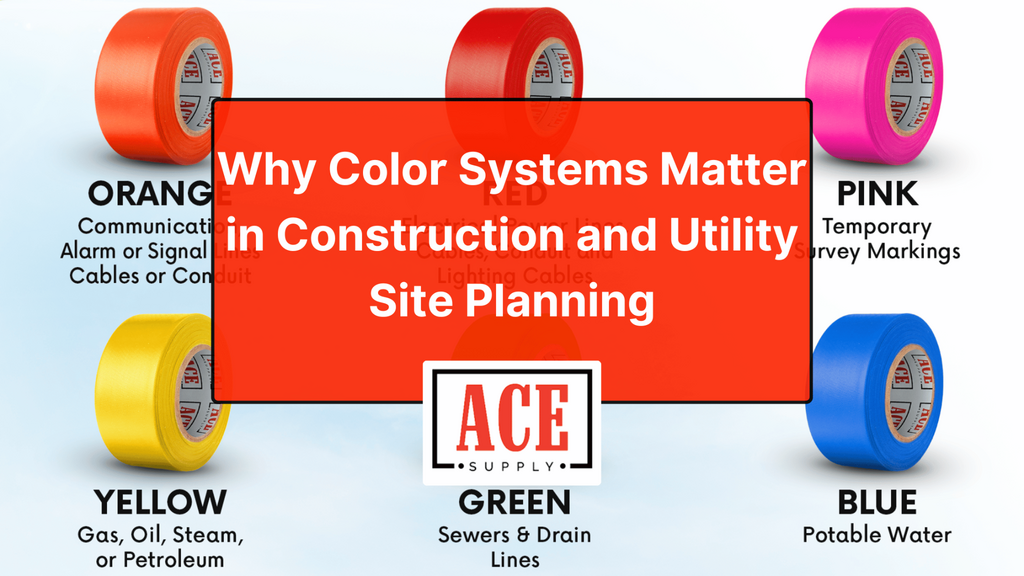
  • Why Color Systems Matter in Construction and Utility Site Planning

    Why Color Systems Matter in Construction and Utility Site Planning

    Introduction

    Construction sites, utility corridors, landscaping projects, and large scale property developments all share one common challenge: clear communication. In outdoor environments filled with noise, movement, heavy equipment, and shifting crews, visual clarity becomes essential. A misunderstood instruction or an unmarked boundary can quickly result in damaged utilities, costly delays, or serious safety risks.

    One of the simplest and most effective communication systems used across industries is color coding. Whether it appears on tape, flags, paint, or stakes, standardized colors provide instant meaning without the need for lengthy explanations. A worker stepping onto a job site can quickly interpret hazards, boundaries, and underground utilities simply by recognizing consistent color patterns.

    When implemented correctly, color systems reduce confusion, improve coordination, and help projects move forward efficiently. This article explores how standardized color practices support safer and more organized field operations.


    The Role of Visual Marking in Outdoor Work Environments

    Outdoor projects present unique challenges that make visual communication especially important.

    Environmental Obstacles

    • Heavy machinery noise makes verbal communication difficult
    • Wind and weather can obscure written notes
    • Large job sites spread teams across significant distances
    • Changing light conditions affect visibility

    In these environments, clear physical markers provide a stable and constant source of information.

    Common Visual Marking Tools

    Professionals rely on a variety of tools to create highly visible indicators:

    • Flagging tape tied to stakes or vegetation
    • Ground marking flags
    • Durable whisker markers
    • Spray paint markings
    • Colored mason line

    Each of these tools serves a specific purpose, but they all depend on color consistency to communicate effectively.

    Why Visual Systems Work

    Visual markers offer several operational advantages:

    • Immediate recognition without explanation
    • Consistent messaging across multiple teams
    • Reduced reliance on memory or verbal reminders
    • Improved coordination between contractors and subcontractors

    In fast paced environments, a well organized marking system can prevent mistakes before they happen.


    Understanding Standardized Color Systems in Field Work

    Standardization exists for a reason. When everyone interprets colors the same way, confusion drops significantly. In the United States, utility and excavation industries follow widely accepted color assignments that guide field communication.

    Common Industry Color Assignments

    • Red indicates electric power lines and lighting cables
    • Blue represents potable water
    • Yellow marks gas, oil, or steam
    • Green identifies sewer and drain lines
    • Orange designates communication and signal lines
    • White outlines proposed excavation zones

    Learning these assignments is critical for anyone involved in excavation or site development.

    This resource provides a deeper explanation of how colors are used in practical field situations and why consistency matters.

    Why Standardization Prevents Errors

    Without uniform color guidelines, teams might interpret markings differently. For example, if one contractor uses yellow for water while another uses yellow for gas, the risk of damaging utilities increases dramatically.

    Consistency provides:

    • A shared language across trades
    • Faster training for new workers
    • Reduced liability exposure
    • Clear documentation for inspections

    Standardized colors create clarity that extends beyond a single project.


    How Color Coding Improves Job Site Safety

    Color systems directly support safer operations across industries.

    Safety Advantages

    • Helps prevent accidental digging into live utilities
    • Identifies high risk zones instantly
    • Supports compliance with OSHA and state regulations
    • Reduces the likelihood of cross utility interference
    • Makes hazard areas visible even from a distance

    Workers entering a site do not need to search for written instructions when visual markers clearly define areas of concern.

    Faster Hazard Recognition

    When heavy equipment operators see consistent colors, they can react quickly. This rapid recognition is particularly important in environments where split second decisions matter.

    Supports Compliance and Accountability

    Many municipalities require visible and standardized marking systems before excavation begins. Clear color usage demonstrates due diligence and supports documentation during inspections.


    Choosing the Right Marking Materials for Different Projects

    Color alone is not enough. The material used to display that color must match the project’s duration, environment, and traffic level.

    Temporary Marking Solutions

    Ideal for short term projects or frequently changing layouts:

    • Flagging tape
    • Lightweight marking flags
    • Chalk or paint indicators

    These solutions are easy to install and remove but may not withstand extended exposure.

    Medium to Long Term Solutions

    For projects lasting weeks or months:

    • Durable marking flags
    • Whisker markers
    • High quality synthetic line

    Selecting reliable materials from trusted suppliers ensures visibility does not fade prematurely. Many professionals source these tools from reputable providers such as Ace Supply USA, which offers a broad range of marking products built for durability.

    For projects that require sturdy ground indicators, contractors often rely on specialized options like professional grade marking flags to maintain visibility throughout construction phases.

    Factors to Consider When Selecting Materials

    • Length of project
    • Exposure to sunlight and moisture
    • Soil type and ground conditions
    • Amount of foot and equipment traffic
    • Frequency of layout changes

    Matching the material to the environment ensures that markings remain clear until they are no longer needed.


    Best Practices for Implementing a Color Based Communication Plan

    Even the best materials fail without a clear plan. Successful projects establish marking systems before work begins.

    Step by Step Implementation Plan

    1. Create a standardized site color chart that follows industry guidelines
    2. Share the chart with all contractors and subcontractors
    3. Review color assignments during pre construction meetings
    4. Use consistent materials across all teams
    5. Inspect markings daily to confirm visibility and accuracy
    6. Remove outdated or incorrect markings immediately

    A proactive approach prevents confusion as the project evolves.

    Train Crews Before Excavation Begins

    Training should cover:

    • Utility color assignments
    • Temporary versus permanent markers
    • Documentation requirements
    • Reporting procedures if markings appear unclear

    When everyone understands the system, communication becomes automatic.


    Common Mistakes That Lead to Field Confusion

    Even with good intentions, projects sometimes encounter marking related issues.

    Frequent Errors

    • Mixing non standard colors
    • Reusing faded tape
    • Overlapping multiple colors without explanation
    • Failing to update markings after layout changes
    • Ignoring damaged or missing markers

    These mistakes create ambiguity that undermines safety.

    How to Avoid Confusion

    • Purchase quality materials that resist fading
    • Replace worn markers promptly
    • Conduct routine walk through inspections
    • Assign a team member to oversee marking accuracy

    Accountability keeps the system functioning properly.


    Conclusion

    Clear communication is one of the most valuable assets on any outdoor job site. Standardized color systems offer a simple yet powerful way to reduce confusion, prevent accidents, and maintain project efficiency. By using consistent color assignments, selecting durable materials, and training crews effectively, contractors can create safer and more organized work environments.

    From excavation zones to utility identification, color coded markers act as a universal language that every worker can understand at a glance. When implemented thoughtfully, this system supports smoother coordination, fewer costly errors, and improved compliance across industries.

    Investing in reliable marking tools and following standardized color practices is not just about organization. It is about protecting workers, safeguarding infrastructure, and ensuring that every project moves forward with clarity and confidence.

  • Transforming Outdoor Living with Modern Porcelain Patios

    Transforming Outdoor Living with Modern Porcelain Patios

    Outdoor spaces are becoming just as important as interiors for UK homeowners. With more people choosing to invest in their gardens, patios have evolved from simple paved areas into stylish extensions of the home. One of the most popular choices leading this trend is the use of porcelain patios, offering a perfect balance of design, durability, and low maintenance.

    Porcelain paving has quickly gained recognition for its sleek, contemporary appearance. Unlike traditional materials, it provides a clean and uniform finish that complements both modern and period properties. Available in a wide range of colours and textures, including natural stone and wood-effect designs, porcelain allows homeowners to create a bespoke outdoor space tailored to their personal style.

    One of the key advantages of porcelain is its strength. Manufactured at extremely high temperatures, porcelain tiles are dense and resistant to wear. This makes them ideal for the UK climate, where changing weather conditions can often affect other paving materials. They are also non-porous, meaning they resist water absorption, helping to prevent staining, moss growth, and frost damage.

    Another important benefit is the ease of maintenance. Unlike natural stone, which may require sealing and regular upkeep, porcelain patios are simple to clean and maintain. A quick wash is often enough to keep the surface looking as good as new, making it an excellent choice for busy households.

    In addition to practicality, porcelain patios can significantly enhance the usability of your garden. Whether you want a space for outdoor dining, entertaining guests, or simply relaxing, a well-designed patio can transform how you enjoy your home. With more homeowners choosing to stay and improve rather than move, investing in a high-quality patio is becoming a smart long-term decision.

    If you are considering upgrading your outdoor space, working with experienced installers is essential to achieve the best results. Professional installation ensures correct groundwork, proper drainage, and a flawless finish that will stand the test of time. To learn more about design options and expert installation, visit porcelain patios.

  • A British Orchard Specialist Offers Insights into Top 4 Dwarf Cherry Trees for Patios and Courtyards

    A British Orchard Specialist Offers Insights into Top 4 Dwarf Cherry Trees for Patios and Courtyards

    A patio, paved yard, courtyard garden or narrow side return may not suit a full-sized cherry tree, but it can often support a carefully chosen dwarf variety in a container or a modest planting bed. The key is to match tree size, rootstock strength, flowering time and pollination needs to the realities of British gardens, where light levels, spring weather and limited room all affect success.

    The fruit trees specialists at Fruit-Trees nursery note that gardeners who plan to buy miniature cherry trees should focus first on mature size, container performance and reliable cropping rather than choosing by fruit colour alone. In smaller gardens, a tree that stays manageable, responds well to pruning and fruits consistently in the UK climate is usually the better long-term choice. They also advise checking whether a variety is self-fertile, especially where space allows for only one tree.

    That practical point matters more than many buyers expect. Patio fruit growing is not mainly about squeezing a tree into the smallest possible pot. It is about creating a steady, healthy system: roots with enough room, blossom protected from sharp spring frosts where possible, and a canopy that receives direct sun for much of the day. Dwarf cherry trees can meet those demands well, but only if the variety is suited to restrained growth and the gardener is prepared to water, feed and prune with more care than an open-ground orchard would require.

    This article looks at four of the best dwarf cherry trees for patios and courtyards from a British perspective, with attention to flavour, cropping habits, maintenance and site suitability. Rather than treating all compact cherries as interchangeable, it considers where each variety earns its place and what type of household is most likely to get a good result.

    Why Dwarf Cherry Trees Work So Well in Small British Gardens

    A dwarf cherry tree solves several common problems at once. It keeps harvest within reach, reduces the amount of structural pruning needed, and allows fruit growing where the soil is poor, paved over or simply unavailable. In many British towns and suburbs, that combination is more useful than the traditional image of a large orchard tree at the end of a lawn.

    There is also a microclimate benefit. Courtyards and patios often trap warmth, shelter blossom from strong winds and reflect extra light from walls and paving. Cherries appreciate warmth when ripening fruit, and a south-facing or west-facing enclosed space can help turn a marginal site into a productive one. This is particularly helpful in cooler districts or in gardens where summer sun arrives late in the day.

    However, a smaller tree is not a no-maintenance tree. Compact cherries are more dependent on the gardener because their root system is restricted, especially in containers. A tree grown in a pot may dry out quickly in a warm spell and lose fruit quality if moisture levels swing sharply from dry to wet. Patio trees also rely on regular feeding, since compost nutrients are used up faster than nutrients in open ground. Good results come from consistency rather than occasional bursts of attention.

    Another reason dwarf cherries suit modern gardens is that they combine ornament and utility better than many fruit crops. Spring blossom, glossy leaves and neat form make them acceptable in spaces where every plant must also look good. A cherry tree in a large terracotta or timber container can function as a focal point, not just a fruit source. That matters in courtyards where space is shared with seating, pathways and other decorative planting.

    The strongest candidates are usually self-fertile or partly self-fertile, naturally compact, and able to crop without years of waiting. The best patio cherry is not simply the smallest one available. It is the one that holds a balanced shape, resists stress, and produces fruit worth picking in a British summer rather than becoming a decorative disappointment after the blossom fades.

    Stella: The Most Reliable All-Round Dwarf Cherry for Patios

    For many British gardeners, Stella remains the safest and most useful starting point. It has earned its reputation because it combines dependable self-fertility with good eating quality and a manageable habit when grown on a dwarfing rootstock. That makes it especially attractive for patios and courtyards where only one tree can be accommodated.

    The fruit is dark red, sweet and juicy when fully ripe, with enough depth of flavour to justify the space it occupies. Unlike some compact cherries that are chosen mainly for convenience, Stella produces fruit that feels like a genuine reward. In a favourable summer, it can deliver a surprisingly generous crop for such a restrained tree, especially once it is established.

    Its blossom period is another advantage. Because Stella is self-fertile, pollination does not depend on a nearby partner, although yields may improve if other cherries flower nearby. In urban settings where neighbouring gardens may also contain fruit trees, that can work in the grower’s favour. For households with room for just one container, self-fertility removes a major barrier.

    In shape, Stella responds well to light annual pruning after fruiting. It can be kept compact without constant correction, which suits gardeners who want a productive tree but not a demanding training project. In a large container, it can remain a sensible size for years, provided the compost is refreshed and the roots are not left congested indefinitely.

    Its weaknesses are manageable rather than severe. In very exposed gardens, blossom may still suffer from cold winds, and in heavy rain the fruit can split if left too long on the tree. Birds also favour dark cherries, so netting may be necessary as the crop colours up. Even so, few varieties offer the same balance of practicality, flavour and adaptability.

    If a British gardener wants one dwarf cherry that covers the basics well, Stella is often the answer. It suits beginners, rewards careful growers, and works in both decorative and productive settings. That combination makes it a benchmark against which other patio cherries are judged.

    Sunburst: Best for Larger Fruit and a Softer, Sweeter Finish

    Sunburst is often recommended to gardeners who want a compact cherry with a slightly more generous, dessert-style fruit. It is another self-fertile variety, which immediately strengthens its case for patios and courtyards, but its main appeal lies in the size and sweetness of the cherries. When conditions are favourable, the fruit can be notably plump and appealing straight from the tree.

    This variety tends to suit gardeners who value flavour above absolute compactness. On an appropriate dwarfing or semi-dwarfing rootstock it can still be kept within reasonable limits, but it needs thoughtful pruning and a proper container from the start. In return, it offers a crop that often feels closer to premium market fruit than to the smaller, sharper cherries of some older varieties.

    Sunburst also performs well as a visual tree. The blossom is attractive, and the fruit hangs well enough to give the tree ornamental value in early summer. In a paved courtyard with clean lines and limited planting space, that dual purpose can make a real difference. A fruit tree that also carries itself neatly is more likely to remain part of the garden design over time.

    Where Sunburst needs care is water management. Large-fruited cherries suffer when moisture is erratic. If the compost dries out hard and then is drenched by watering or rainfall, fruit quality can decline and splitting becomes more likely. Container-grown Sunburst therefore benefits from routine rather than rescue watering. Mulching the surface of the pot can help moderate those swings.

    It is also worth giving this variety the sunniest available spot. Sweetness improves in a warm, bright position, and sheltered sites help the fruit mature properly. In cooler gardens, a south-facing wall nearby can make a noticeable difference. Courtyards can be ideal if they are not too shaded by surrounding buildings.

    For gardeners tempted to buy miniature cherry trees because they want a compact tree without sacrificing eating quality, Sunburst is one of the strongest options. It asks for slightly more attention than Stella, but it pays back that effort with handsome fruit and a richer dessert character. Where the aim is a small garden tree that still feels generous, Sunburst is hard to ignore.

    Morello: The Smart Choice for Shade-Tolerant and Culinary Growing

    Morello deserves a place on this list because it solves a different problem from the sweet cherries. Not every patio or courtyard receives full sun all day, and not every grower wants a bowl of sweet fruit for eating fresh. Morello is a sour cherry, traditionally valued for cooking, bottling, preserves and baking, and it tolerates less-than-perfect light better than most sweet varieties.

    This makes it highly relevant to British homes, especially in older urban areas where walls, fences and neighbouring properties reduce direct sunlight. A sweet cherry in such a spot may flower prettily but crop poorly or fail to develop good flavour. Morello is more forgiving. It still prefers decent light, but it can perform in conditions that would frustrate other cherries.

    Its growth habit also suits restricted spaces. Morello can be trained neatly, including against a wall or fence, which makes it excellent for courtyards where the planting area is shallow. Even in container culture, it adapts well if the grower is prepared to feed and water regularly. Because it fruits on younger wood, pruning must be done with a little understanding, but the tree is not difficult once its pattern is recognised.

    The fruit itself is bright, acidic and not usually intended as a direct substitute for dessert cherries. That is not a drawback if expectations are correct. In fact, it is the reason many gardeners keep one. Morello turns into excellent jam, compote, pies and sauces, and it freezes well. In households that enjoy practical kitchen use from garden produce, it can be more valuable than a sweeter tree with a smaller or less reliable crop.

    Another benefit is that Morello often looks tidy without becoming overly vigorous. In a formal courtyard or mixed patio planting, that restraint is useful. It can sit alongside herbs, lavender, or clipped evergreen containers without appearing too loose or overgrown. The dark red fruit also gives strong visual contrast during the growing season.

    Morello is not the best choice for someone who wants to stand in the garden eating cherries straight from the branch, but it may be the best choice for a challenging site. In the British context, that distinction matters. A tree that suits the light, the space and the household’s cooking habits is often more successful than a trend-led variety chosen only for sweetness.

    Compact Stella or Gisela-Grafted Sweet Cherries: Best for Tightest Spaces

    The final place belongs not to a single named cultivar alone, but to a category that British gardeners should understand better: sweet cherries grafted on strongly dwarfing rootstocks, often sold in especially compact patio form. Stella is commonly offered this way, but other compatible sweet varieties may be too. For very tight patios and enclosed courtyards, the rootstock can matter as much as the variety name.

    A cherry sold as compact or patio-sized usually owes much of its restraint to the rootstock beneath the graft. In practical terms, that means the tree will establish with less vigour, remain easier to manage in a pot, and begin fruiting sooner than a stronger-growing equivalent. For gardeners with only a corner beside a bench or a paved area outside a kitchen door, that can make fruit growing realistic rather than aspirational.

    This is where careful buying becomes important. Some retailers describe a tree as miniature when it is merely younger or temporarily small. A genuinely patio-suited cherry should have a realistic mature size for container life, not just an attractive starting height. British buyers should look for clear information on rootstock, expected spread, and long-term container suitability. A compact Stella on a suitable dwarfing base often proves more useful than a less suitable variety marketed with more enthusiasm.

    These highly restrained trees are ideal for growers who value access and ease. Pruning, netting and picking can all be done from ground level. That matters not only for convenience but also for crop protection. Birds can remove a small cherry crop quickly, and a tree that can be netted properly without ladders has a better chance of rewarding the grower.

    The trade-off is that smaller root systems require stricter management. Compost quality, summer watering and annual top-dressing become central to performance. A neglected compact tree will decline faster than a more vigorous tree in open ground. It is therefore best for gardeners who like regular, light maintenance rather than those who prefer a plant to fend for itself.

    When chosen well, though, these compact grafted cherries are among the most space-efficient fruit trees available to UK gardeners. They suit renters, townhouse gardens, and households that want an edible feature near the house rather than a separate fruit area. For the smallest usable spaces, they may be the form that makes cherry growing possible at all.

    Choosing, Planting and Managing Dwarf Cherries for Long-Term Success

    Variety matters, but management decides whether a patio cherry remains healthy after the first attractive season. The first requirement is container size. Starting too small is a common mistake. A dwarf cherry still needs enough compost volume to support moisture retention, nutrient supply and root stability. A substantial pot with drainage holes is far better than a fashionable but undersized planter.

    Compost should be free-draining yet able to hold moisture. Many growers do well with a quality loam-based mix because it offers greater stability than very light composts that shrink and dry rapidly. In courtyards where reflected heat builds up, moisture control is critical. Water deeply and regularly during active growth, especially from flowering through fruit swelling, but avoid leaving the pot waterlogged.

    Feeding should begin in spring and continue through the main growing season. A balanced regime helps sustain leaf health and fruit development. Excess nitrogen should be avoided because it encourages leafy growth at the expense of balanced cropping. The goal is a sturdy, fruitful tree, not a rush of soft shoots.

    Pruning is best kept light and purposeful. For sweet cherries, post-harvest pruning in summer is generally preferred because it reduces the risk associated with winter cuts. Remove crossing, damaged or congested growth and preserve an open structure that lets light and air through the canopy. Sour cherries such as Morello follow a slightly different fruiting habit, so pruning should support the production of young fruiting wood.

    Position is equally important. Sun, shelter and air movement must be balanced. A warm site helps fruit ripen, but a frost pocket near a low wall can damage spring blossom. In many British gardens, the best spot is bright and sheltered rather than fully enclosed. Where birds are a problem, netting should go on before the fruit is fully coloured.

    With these basics in place, a dwarf cherry tree can be productive for years in a space where a standard tree would never fit. The best results come from choosing a variety for the actual garden, not for an ideal one. Stella suits the broadest range of uses, Sunburst offers larger sweet fruit, Morello handles tougher light and excels in the kitchen, and compact grafted forms make the most of the smallest footprints. For British patios and courtyards, that is often all the orchard needed.


  • 7 Bathroom Design Trends Homeowners Want

    7 Bathroom Design Trends Homeowners Want

    Bathrooms used to be one of the most overlooked rooms in the house. As long as the plumbing worked and the fixtures functioned, most people didn’t give the space much thought. That has changed quite a bit in recent years.

    Homeowners today see bathrooms differently. They want spaces that feel comfortable, relaxing, and thoughtfully designed. Instead of treating the room as a purely practical part of the house, many people now view it as a place where they begin and end their day. Because of that, bathroom remodeling has become one of the most common home improvement projects.

    Design trends come and go, but some ideas tend to stick because they simply make the space better to use. Features that improve comfort, lighting, storage, and layout often become long-term standards in modern homes.

    At the same time, behind every stylish bathroom renovation is a practical reality. Plumbing systems still have to function properly, and the layout of pipes, drains, and water lines plays a huge role in whether a new design works the way homeowners expect.

    “Many of the bathroom upgrades people ask for today involve bigger showers, multiple fixtures, or custom layouts,” said a representative from Dimarco Plumbing. “Those features can look great, but they still depend on proper water pressure, drainage, and pipe placement behind the walls.”

    If you are thinking about remodeling a bathroom, these are some of the design trends that homeowners are currently asking for the most.

    1. Walk-In Showers

    One of the biggest shifts in bathroom design has been the move away from traditional tub-shower combinations. Many homeowners now prefer walk-in showers that create a more open and spacious feel.

    These showers often use frameless glass panels instead of heavy metal frames or sliding doors. Without the visual barrier of a thick frame, the room feels larger and brighter.

    Another detail that has grown in popularity is the curbless shower floor. Instead of stepping over a raised edge, the shower area blends into the rest of the bathroom floor. A slight slope allows water to drain properly while maintaining a clean, continuous surface.

    Homeowners tend to like this design for a few reasons. It looks modern, it makes cleaning easier, and it can improve accessibility for people who want a safer bathroom layout.

    Many walk-in showers also include built-in features such as recessed shelves, benches, or rainfall showerheads.

    Of course, these designs require careful planning. Proper drainage and waterproofing are critical, especially when the shower floor sits flush with the rest of the bathroom.

    2. Bathrooms That Feel Like a Spa

    Another trend that continues to grow is the idea of turning the bathroom into a relaxing retreat.

    Instead of bright lights and cold surfaces, many homeowners are choosing softer lighting, warmer materials, and layouts that encourage relaxation. The goal is to create a space that feels calm and comfortable rather than purely functional.

    Freestanding soaking tubs have become a centerpiece in many bathroom remodels. These tubs often sit slightly away from the wall and become a focal point in the room.

    Heated flooring is another feature that homeowners appreciate, especially during colder months. Stepping onto a warm tile floor first thing in the morning can make a noticeable difference in how the space feels.

    Lighting also plays a big role in creating a spa-like atmosphere. Instead of relying on one overhead light, designers often combine several lighting sources that can be adjusted depending on the time of day.

    The result is a bathroom that feels quieter and more relaxing, even though it is still part of an everyday routine.

    3. Floating Vanities

    Bathroom vanities have also changed over the years. While traditional cabinets that sit on the floor are still common, many homeowners now prefer floating vanities.

    A floating vanity mounts directly to the wall, leaving open space underneath. That small change can make the entire room feel less crowded.

    This design works particularly well in smaller bathrooms where every bit of visual space matters. Because the floor remains visible below the cabinet, the room appears larger than it actually is.

    Floating vanities also make cleaning easier since there are no corners or base panels touching the floor.

    Inside the cabinets, storage design has improved as well. Deep drawers, hidden compartments, and built-in organizers allow homeowners to keep everyday items neatly stored without cluttering the countertop.

    4. Better Lighting

    Lighting may be one of the most underrated parts of bathroom design. Many older bathrooms rely on a single overhead fixture that does little more than brighten the room.

    Modern designs approach lighting differently. Instead of one light source, bathrooms now use layers of lighting that serve different purposes.

    Vanity lights provide clear illumination for grooming tasks such as shaving or applying makeup. Accent lighting adds warmth and atmosphere. Ambient lighting fills the room with soft light that feels comfortable rather than harsh.

    Backlit mirrors have also become increasingly popular. These mirrors have built-in lighting around the edges, creating a soft glow that spreads evenly across the face.

    The combination of multiple lighting types makes the bathroom feel more balanced and comfortable.

    5. Natural Materials

    Another noticeable shift in bathroom design is the use of natural textures and materials.

    Bathrooms used to be dominated by glossy white surfaces and uniform tiles. While those styles are still common, many homeowners now prefer materials that add warmth and character.

    Wood vanities, stone countertops, and textured tile surfaces bring a more organic feel to the room.

    These elements help soften the look of the bathroom and make the space feel more connected to the rest of the home.

    Even small details can contribute to this effect. Natural stone sinks, wood shelving, or pebble shower floors add visual interest while keeping the design simple.

    6. Dark Fixtures and Mixed Metals

    Bathroom fixtures have traditionally been chrome or polished metal. While those finishes remain popular, darker finishes are becoming more common in modern designs.

    Matte black faucets, showerheads, and cabinet handles provide strong contrast against light tiles and countertops. The result is a bold but clean appearance that many homeowners find appealing.

    Another design trend is mixing different metal finishes in the same space. Instead of matching every fixture perfectly, homeowners might combine black faucets with brass lighting or brushed nickel hardware.

    When done carefully, this approach creates a layered look that feels more personalized.

    7. Smart Bathroom Technology

    Technology has gradually made its way into bathroom design as well.

    Smart mirrors with built-in displays can show weather updates, news headlines, or reminders while you get ready in the morning.

    Touchless faucets improve hygiene and reduce water waste.

    Digital shower systems allow users to set precise water temperatures before stepping into the shower.

    Even toilets have seen technological upgrades. Heated seats, automatic lids, and bidet functions are becoming more common in modern bathrooms.

    While these features may have once seemed futuristic, they are becoming increasingly accessible as technology improves.

    Why Plumbing Still Matters

    No matter how beautiful a bathroom looks on the surface, the plumbing system behind the walls is what keeps everything running properly.

    Features like larger showers, multiple showerheads, and freestanding tubs can place greater demand on a home’s water system.

    “Design trends change all the time, but the plumbing still has to support everything,” the Dimarco Plumbing representative said. “When a renovation includes larger fixtures or multiple water outlets, it’s important to make sure the pipes, pressure levels, and drainage system are all designed to handle it.”

    Planning those details early can prevent problems such as poor water pressure or slow drainage after the remodel is complete.

    Bathroom Design Trends

    Bathroom design has come a long way from the purely functional spaces many homes once had.

    Today’s bathrooms are more comfortable, more thoughtfully designed, and often much more visually appealing.

    From walk-in showers and floating vanities to smart technology and natural materials, homeowners now have more options than ever when it comes to creating a bathroom that fits their lifestyle.

    At the same time, the most successful renovations still balance style with practicality. Good design always works best when it is supported by solid construction and reliable plumbing behind the scenes.

  • How Regular Roof Maintenance Prevents Costly Repairs

    How Regular Roof Maintenance Prevents Costly Repairs

    Roof maintenance is one of the most effective ways to protect a property from expensive structural repairs. While many homeowners only think about their roof when problems arise, routine maintenance plays a critical role in extending the life of the roofing system.

    Roofs in Wollongong and the Illawarra region are exposed to changing weather conditions throughout the year. Heavy rain, strong winds, and coastal humidity can gradually weaken roofing materials if they are not properly maintained.

    Regular maintenance helps ensure that the roof continues to perform effectively and protects the property from water damage.

    Common Maintenance Tasks

    Roof maintenance typically involves several simple but important tasks. One of the most important tasks is cleaning gutters and downpipes. When gutters become blocked with leaves or debris, rainwater may overflow and damage the roof or surrounding structure.

    Another important task is inspecting roof tiles or metal panels for damage. Cracked tiles or loose panels can allow water to enter the roof structure.

    Other common maintenance tasks include:

    • Removing debris from the roof surface
    • Checking flashing around vents and chimneys
    • Identifying early signs of leaks
    • Inspecting roof sealants and coatings

    These tasks may seem small, but they play a major role in maintaining the roof’s overall performance.

    The Value of Professional Maintenance Services

    While homeowners can perform some basic maintenance tasks themselves, professional roof inspections provide a more comprehensive assessment of the roof’s condition.

    Experienced roofing specialists can detect early signs of structural damage that may not be visible from the ground. They also have the equipment and expertise required to safely access and inspect the roof.

    Property owners looking for roof maintenance services in Illawarra can find more information by visiting
    https://mundellroofing.com.au/

    Professional maintenance ensures that potential issues are addressed before they develop into larger problems.

    Extending the Lifespan of Your Roof

    Routine maintenance can significantly extend the lifespan of a roofing system. By addressing small issues early, homeowners can avoid major repairs and maintain the roof’s structural integrity.

    Regular inspections also provide peace of mind, especially during storm seasons when roofs are exposed to severe weather conditions.

    A Smart Investment for Homeowners

    Maintaining a roof is an important investment in the long-term protection of a property. Preventive maintenance not only reduces repair costs but also helps preserve the value of the home. Homeowners should also consider the roofing materials for your house when evaluating long-term durability, maintenance requirements, and protection against local weather conditions. Along with exterior upkeep, many homeowners also invest in professional house cleaning services to maintain a clean, healthy, and well-presented living environment both inside and outside the property.

    To explore professional roofing maintenance and repair solutions, visit
    https://mundellroofing.com.au/

    Taking a proactive approach to roof care ensures your home remains protected year-round.

  • Why Facilities Managers & Contractors Choose Professional DOFF Cleaning for Exterior Maintenance

    Why Facilities Managers & Contractors Choose Professional DOFF Cleaning for Exterior Maintenance

    For commercial properties, public buildings, and managed estates, window cleaning is not simply cosmetic — it is a compliance, safety, and asset protection decision.

    Facilities managers and principal contractors across London, Northamptonshire, Derbyshire, and the Midlands are increasingly moving away from aggressive jet washing in favour of professional DOFF steam cleaning.

    The primary driver is risk reduction.

    Exterior Cleaning Is a Risk Management Decision

    When maintaining commercial masonry, selecting the wrong method can:

    • Damage brickwork and mortar joints
    • Invalidate manufacturer warranties
    • Breach conservation guidance
    • Introduce moisture penetration issues
    • Increase long-term repair costs

    Because of this, many property professionals now evaluate DOFF vs jet washing before approving works — particularly on heritage buildings or ageing commercial facades.

    Traditional pressure washing relies on force.
    DOFF cleaning relies on controlled heat with low pressure output.

    For sensitive surface cleaning, that distinction directly impacts long-term building performance.

    Suitable for Commercial, Public & Heritage Assets

    Professional DOFF cleaning services are regularly specified for:

    • Commercial masonry cleaning
    • Heritage building cleaning
    • Listed building cleaning in London and surrounding counties
    • Stone facade cleaning
    • Brickwork steam cleaning
    • Cladding and render steam cleaning

    The system is particularly effective for:

    • Graffiti removal
    • Paint removal from brick and stone
    • Algae removal from brick
    • Moss and lichen removal
    • Removing black staining from stone

    Because it operates as a low-pressure steam cleaning system, it avoids the surface erosion commonly associated with high-pressure washing.

    For asset managers researching the safest way to clean a stone facade, this approach provides a conservation-aligned and commercially responsible solution.

    You can review our dedicated DOFF steam cleaning service here:
    https://doffcleaningservices.co.uk/

    Compliance & Certification: A Procurement Priority

    For commercial and public-sector contracts, accreditation is not optional — it is a requirement.

    We operate as a fully certified DOFF cleaning contractor:

    ✔ Stonehealth Approved Contractor
    ✔ IPAF Certified (safe access and working at height)
    ✔ CSCS Certified (construction site compliant)
    ✔ CHAS Accredited (health & safety approved)

    These certifications support:

    • Contractor vetting procedures
    • Risk assessments and method statements
    • Site safety compliance
    • Public-sector procurement standards

    When appointing a contractor for exterior steam cleaning, credentials demonstrate that works are delivered to recognised industry standards.

    DOFF Steam Cleaning for Long-Term Asset Preservation

    Commercial buildings represent long-term investments. Maintenance decisions influence lifecycle cost, not just short-term presentation.

    Compared with abrasive cleaning methods, superheated steam cleaning:

    • Reduces physical surface wear
    • Minimises water ingress
    • Neutralises biological growth at source
    • Preserves stone and brick integrity
    • Supports long-term facade preservation

    For facilities managers comparing steam-based cleaning with traditional pressure washing, the financial case increasingly supports preservation over short-term speed.

    Regional Service Coverage

    Environmental exposure differs by location.

    Urban pollution affects facades in London.
    Biological growth is more prevalent in Northamptonshire and Derbyshire.
    Mixed commercial and heritage architecture across the Midlands requires tailored treatment strategies.

    We provide DOFF steam cleaning across London, Northamptonshire, Derbyshire, and the Midlands — adapting temperature settings and methodology to suit substrate type and regional contamination patterns.

    Each project begins with a site-specific assessment to determine surface sensitivity and appropriate cleaning parameters before work commences.

    When Should Contractors Specify DOFF Cleaning?

    This method is recommended when:

    • The surface is historic, listed, or aged
    • Non-abrasive exterior cleaning is required
    • Abrasive methods pose structural risk
    • Paint or graffiti must be removed safely
    • Algae or moss growth requires full sanitisation
    • Long-term facade preservation is prioritised

    For projects involving conservation officers or listed building consent, DOFF cleaning services are frequently the preferred specification.

    A Specialist Exterior Steam Cleaning Contractor

    We focus exclusively on professional DOFF cleaning for brick, stone, render, and heritage facades.

    This specialist positioning ensures every project is approached with:

    • Preservation-first methodology
    • Compliance-led processes
    • Site-specific risk assessment
    • Long-term structural protection in mind

    We are not general jet washing providers — we are dedicated steam cleaning specialists.

    Request a Professional DOFF Cleaning Assessment

    If you manage or maintain commercial, public, or heritage property across London, Northamptonshire, Derbyshire, or the Midlands, selecting the correct exterior cleaning method protects both compliance and asset value.

    Request your free DOFF cleaning survey today and receive a no-obligation quotation tailored to your site requirements.

    Preserve your facade. Reduce risk. Work with certified DOFF steam cleaning specialists.

  • The Function of Zebra Roller Blinds in Modern Interior Design

    The Function of Zebra Roller Blinds in Modern Interior Design

    Introduction

    The key to creating places that are both comfortable and fashionable in modern interior design is striking a balance between aesthetic appeal and practicality. In order to achieve this balance, window coverings are essential, and zebra roller blinds have become a popular option for modern homes and business interiors. Zebra roller blinds, which are well-known for their unusual layered design, provide a unique method of managing light while improving a room’s overall appearance.

    Read Also: batch plant

    This article examines the role of zebra roller blinds in contemporary interior design, emphasizing their contributions to energy efficiency, privacy, light control, and interior flair.

    What Are Zebra Roller Blinds?

    When adjusted, the transparent and opaque horizontal cloth stripes of zebra roller blinds alternate and travel past one another. Users may effortlessly transition between filtered light and complete seclusion thanks to its creative design, which eliminates the need for extra drapes or curtains. Zebra roller blinds, in contrast to conventional blinds, combine the functionality of roller systems with the comfort of fabric.

    They are especially well-suited for modern and contemporary environments because of their simple construction and clean lines.

    Light Control as a Component of Design

    Precise light control is one of the main purposes of zebra roller blinds. When the sheer panels line up, the layered fabric structure lets natural light gradually fill the space, producing a gentle, ambient glow. The opaque strips overlap to prevent glare and obstruct view when privacy is required.

    Through the prevention of harsh sunlight and the preservation of an airy and light atmosphere, this adjustable light control improves interior spaces. Zebra roller blinds provide both comfort and aesthetic harmony in contemporary design, where natural light is a crucial component.

    Read Also: House cleaning services

    Improving Privacy Without Giving Up Style

    Interior design must take privacy into account, especially in metropolitan residences and businesses. Without sacrificing flair, zebra roller blinds provide a variety of privacy choices throughout the day. Their modern look goes well with open-plan designs, neutral colour schemes, and contemporary furnishings.

    These blinds contribute to the sleek and clean appearance that characterizes contemporary spaces by doing away with the need for bulky curtains.

    Energy Efficiency Contribution

    Additionally, zebra roller blinds are useful for controlling the temperature of an interior space. The layers of opaque cloth assist in keeping rooms cooler and more pleasant during the warmer months by reducing heat penetration. By reducing heat loss via windows, they provide an additional layer of insulation during colder months.

    By lowering dependency on heating and cooling systems, this temperature management promotes energy efficiency and makes living spaces more sustainable.

    Adaptability in Contemporary Interior Design

    The adaptability of zebra roller blinds is one of the reasons they are so popular in contemporary home design. They function just as effectively in workplaces, retail spaces, living rooms, and bedrooms. They may be tailored to fit a variety of design ideas, from minimalist to modern luxury, and come in a variety of neutral tones, textures, and finishes.Because of their versatility, they may be used in small rooms, with sliding doors, and with enormous windows.

    Low Upkeep and Durable Appeal

    Zebra roller blinds provide both practical and cosmetic advantages, and they are also simple to maintain. Only sporadic washing is necessary to preserve the fabric’s beauty since its materials are designed to withstand fading and dust accumulation. They are a long-term investment for contemporary interiors because of their sturdy roller mechanism, which guarantees smooth functioning over time.This blend of beauty and durability excellently meets the practical requirements of contemporary life.

    The Significance of Zebra Roller Blinds in Contemporary Design

    Every component in modern interior design has to have a function. By providing light control, privacy, energy efficiency, and aesthetic appeal in a single, convenient solution, zebra roller blinds serve many purposes. They are both functional and dynamic due to their capacity to adjust to changing light conditions throughout the day.Zebra Roller Blinds provide a chic alternative for conventional blinds and drapes for homeowners and designers looking for an elegant window decoration.

    Conclusion

    Zebra roller blinds’ creative construction and multipurpose use have made them a crucial component of contemporary interior design. They preserve a clean, modern appearance while enhancing natural light, improving privacy, and boosting energy efficiency by fusing form and function. Zebra roller blinds are a chic and useful option that goes well with modern interior design, whether they are used in residential or commercial settings. Selecting Zebra Roller Blinds is an investment in comfort, effectiveness, and classic contemporary elegance rather than just a design choice.

  • Using Baking Soda for Carpet Cleaning: Tips and Tricks

    Using Baking Soda for Carpet Cleaning: Tips and Tricks

    Keeping your carpets spotless can feel like a full-time job, but for tougher stains and deep cleaning, Professional DOFF cleaning provides an effective solution you can trust. One minute, your carpets look fine, and the next, there’s a suspicious mark that definitely wasn’t there yesterday.

    But you don’t actually have to splash on harsh products or professional-grade equipment to keep your rugs fresh. All you need is a bit of baking soda. Curious how something so ordinary can be so effective? Keep reading.

    Why This Household Staple Earns Its Keep

    Baking soda is surprisingly good at cleaning and refreshing carpets. It gently lifts dirt without damaging fibres, making it suitable for regular use. Even better, it neutralises unpleasant odours instead of masking them—no fake ‘spring meadow’ smells required.

    Another bonus is how budget-friendly it is. You only need a small amount to treat large areas, and this makes it far more affordable than most commercial cleaners.

    There’s also the environmental angle to consider. Many shop-bought cleaners release chemicals into the air and can be harmful to the planet.

    Baking soda, on the other hand, is eco-friendly, biodegradable, and safe to use around children and pets. So, if you’re dealing with asthma or allergies, this alone makes it an appealing choice.

    In short, baking soda gives you great results, odour control, and peace of mind, all without harsh ingredients or unnecessary expenses. And once you know how to use it properly, it quickly becomes one of those ‘why didn’t I try this sooner?’ solutions.

    How to Prepare Your Rug

    Before you reach for the baking soda, a little preparation goes a long way. Skipping this step won’t ruin everything, but doing it properly will make the process far more effective and save you from repeating the same job twice.

    Start by vacuuming the carpet to remove loose dirt, crumbs, and dust. Next, clear the space as much as possible.

    Move the furniture out of the way to give yourself full access to the rug and ensure even coverage. This is especially important if you’re dealing with odours or widespread staining rather than a single mark.

    It’s also a good idea to test the treatment on a small, hidden area first. Most fabrics handle baking soda well, but a quick patch test will give you peace of mind and prevent any unexpected colour changes.

    Step-by-Step Guide for Stain Removal

    With your carpet prepped and ready, it’s time to tackle the stain itself.

    Start by sprinkling a generous amount of the powder directly over the stained area. Make sure the spot is fully covered, as this will give the powder the best chance to absorb the moisture, lift the residue, and neutralise any lingering smells.

    Let it sit for at least 15 minutes, then gently scrub the area using a soft-bristled brush. Once you’re done, vacuum the area well to remove the baking soda and any loosened dirt.

    While this method works well in general, some stains behave differently and benefit from a slightly tweaked technique:

    • Food and protein-based marks. Lightly dampen the area with cold water before applying the powder. Avoid warm or hot water, as heat can cause the proteins to set, making the stain harder to remove.
    • Oil-based stains. These respond best to longer treatment times. So, leave the baking soda on overnight to absorb the oil fully.
    • Beverage smudges. Blot the spill immediately to absorb as much liquid as possible, then apply the baking soda.
    • Mud stains. Let the mud dry completely before doing anything. Once it’s dry, gently brush away the loose dirt, then apply the baking soda to tackle any remaining odours and refresh the area.

    The Easy Fix for Stubborn Odours

    Even when your carpets look clean, they can still hold on to smells. Pet odours, cooking aromas, or that faint ‘something isn’t quite right’ scent have a habit of lingering long after the cause has disappeared. This is where baking soda really shines.

    To freshen your rug, sprinkle some sodium bicarbonate evenly across the entire surface. You don’t need to pile it on, but make sure the area is well covered so it can do its job properly.

    For lighter odours, leave the powder to sit for around 30 minutes. Stronger smells, especially in busy homes, benefit from a longer treatment, so leaving it on overnight is often worth it.

    Once the time is up, vacuum thoroughly and slowly to remove the powder along with the odours it’s absorbed.

    Effective Add-Ons

    On its own, baking soda does a solid job. But paired with a few other household staples, it can be even more effective, especially for tougher stains or when you want to add a subtle fresh scent.

    One of the most popular combinations is baking soda and white vinegar. Start by sprinkling baking soda directly over the stain. Then, mix equal parts white vinegar and water in a spray bottle and lightly mist the area.

    You’ll notice a fizzing reaction, which will help loosen the dirt and break down the residue. Once the fizzing stops, allow the area to dry before vacuuming.

    If you’d like your carpet to smell fresher, you can mix a few drops of essential oil into the baking soda before applying it. Lavender and lemon are popular choices, offering a clean, light scent without being overpowering.

    For greasy stains, cornstarch is a useful addition. Sprinkle it over the affected area first to absorb excess oil, then follow up with baking soda to finish the job.

    When It’s Time to Call in the Pros

    While baking soda is brilliant for everyday maintenance, there are times when your carpets may need a deeper clean.

    Booking a professional DOFF steam cleaning services once a year can make a noticeable difference in how clean your rugs look and even extend their lifespan.

    These experts have the tools, products, and experience to handle tricky areas efficiently, leaving you with fresher carpets and far less effort on your part.

    That said, it’s worth shopping around to find a suitable carpet cleaning provider. Compare a few local services, read reviews, and ask about the pricing and packages to get the best deal.

    Conclusion

    Looking after your rugs doesn’t need to feel like a losing battle when you have a reliable all-rounder like baking soda. So, give it a try and make carpet care one less thing to overthink.

    Trust us, once you see the results for yourself, you’ll wonder why you ever underestimated this simple ingredient.

  • South Florida Hurricane Season: Tips to Find the Best Mold Remediation Company for Water Damage

    South Florida Hurricane Season: Tips to Find the Best Mold Remediation Company for Water Damage

    South Florida’s hurricane season, which spans from June 1 to November 30, brings intense storms, torrential rains, and a high risk of water damage that can quickly lead to mold growth. In a region where humidity hovers around 70–90% and hurricanes like Ian or Irma can leave homes soaked, mold is a persistent threat that can compromise your health and property. Choosing the right mold remediation company is often critical to effectively address water damage and prevent long-term issues. With so many companies vying for your business in South Florida, how do you find the best one? This helpful guide offers unique, practical tips tailored to South Florida homeowners to select the best mold remediation company – ensuring your home is restored safely and efficiently after hurricane-related water damage hits.

    Why Mold Remediation Matters in South Florida

    Hurricanes and tropical storms in South Florida often cause roof leaks, flooding, and water intrusion, creating ideal conditions for mold to thrive. Within 24–48 hours, damp drywall, carpeting, or insulation can become a breeding ground for molds like Aspergillus, Penicillium, or even toxic Stachybotrys (black mold). These can trigger health issues, from allergies and respiratory problems to more severe symptoms in sensitive individuals. Finding a reliable mold remediation company not only removes mold but also addresses the underlying water damage to prevent recurrence—crucial in South Florida’s moisture-heavy climate. Here’s how to find the best company for the job.

    Tip 1: Verify Licensing and Certifications

    In Florida, mold remediation is regulated, and professionals must hold specific licenses to operate legally. A licensed company ensures expertise and compliance with state standards, protecting you from subpar work.

    • Check for DBPR Licensing: The Florida Department of Business and Professional Regulation (DBPR) requires mold remediators to hold a Mold Remediator License (MRSR). Verify a company’s license by entering their name or license number.
    • Look for Industry Certifications: Top companies often have certifications from organizations like the Institute of Inspection, Cleaning and Restoration Certification (IICRC) or the National Organization of Remediators and Mold Inspectors (NORMI). These indicate advanced training in mold removal and water damage restoration.

    Ask if the company employs a certified mold assessor (MRSA) for initial testing. In South Florida, where hidden moisture from hurricanes is common, a separate assessor ensures unbiased testing before remediation begins, avoiding conflicts of interest.

    Tip 2: Prioritize Local Experience in South Florida

    Hurricane-related water damage in South Florida presents unique challenges, from storm surges in Miami-Dade to flooding in low-lying areas like Homestead. A local company with experience in the region’s climate and building styles is better equipped to handle your needs.

    • Seek Regional Expertise: Choose a company with a proven track record in South Florida, familiar with local issues like stucco wall moisture traps or flat-roof leaks common in Miami and Fort Lauderdale homes.
    • Check Post-Hurricane Experience: Ask about their work after major storms (e.g., Hurricane Irma in 2017 or Ian in 2022). Companies experienced with hurricane recovery understand the urgency and complexity of mold issues in flooded homes.

    Recent posts on social media websites from locals in areas like Palm Beach or Broward often highlight companies that excel in post-hurricane cleanup, offering insights you won’t find on generic review sites.

    Tip 3: Evaluate Their Process and Technology

    Not all mold remediation companies are equal in their approach. The best ones use advanced techniques and equipment tailored to South Florida’s humid environment.

    • Comprehensive Assessment: A top company starts with thorough testing, including air sampling, surface sampling, and moisture detection to identify all mold sources. Ask if they use thermal imaging cameras to detect hidden water in walls, a common issue after hurricanes.
    • Safe Removal Practices: Ensure they use HEPA air scrubbers, negative air pressure systems, and containment barriers to prevent spores from spreading during cleanup—a must in South Florida’s open-concept homes.
    • Post-Remediation Verification (PRV): The best companies conduct PRV testing to confirm mold is fully removed, providing a detailed report with lab results.

    Ask if they use eco-friendly or non-toxic antimicrobial treatments, like botanical-based solutions, to avoid harsh chemicals. This is especially important for South Florida families with children or pets sensitive to mold-related health issues.

    Tip 4: Check Insurance and Warranty Offerings

    Hurricane-related water damage often involves insurance claims, and a good remediation company will help navigate this process while offering guarantees for their work.

    • Insurance Expertise: Choose a company experienced in working with South Florida insurers, including those offering flood policies through FEMA’s National Flood Insurance Program. They should provide detailed documentation (photos, reports, receipts) to support your claim.
    • Warranties and Follow-Ups: Look for companies offering warranties on their work, typically 1–5 years, to cover potential mold regrowth. Ask about follow-up inspections, especially critical in South Florida’s humid climate.

    Request a “moisture mitigation plan” as part of their service. This plan should outline how they’ll address underlying water issues (e.g., sealing leaks or improving ventilation) to prevent future mold, tailored to your home’s hurricane exposure risks.

    Tip 5: Read Reviews and Ask for References

    In South Florida’s competitive market, reviews and references can separate the best companies from fly-by-night operators.

    • Online Reviews: Check platforms like Google, Yelp, or the Better Business Bureau (BBB) for consistent 4–5-star ratings and detailed customer feedback. Pay attention to reviews mentioning hurricane-related work in South Florida.
    • Local References: Ask the remediation company for references from clients in your area (e.g., Jupiter, Fort Lauderdale, or the Keys) who dealt with similar water damage issues. Contact these clients to inquire about satisfaction and post-remediation results.

    Use social media to find unfiltered, real-time feedback from South Florida homeowners. Or, Google search terms like “mold removal in Boca Raton”, “mold remediation West Palm Beach” or “water damage restoration Fort Lauderdale” to see recent posts about local companies, including warnings about scams post-storm.

    Tip 6: Beware of Red Flags

    South Florida’s post-hurricane chaos often attracts unscrupulous contractors. Protect yourself by avoiding these warning signs:

    • No License or Insurance: Unlicensed companies or those without liability insurance are risky. Always verify credentials through the DBPR.
    • Pressure Tactics: Be wary of companies pushing for immediate contracts without proper inspections, a common scam after hurricanes.
    • Vague Estimates: A reputable company provides a detailed, written estimate after assessing your home. Avoid those offering verbal or overly low quotes.

    Watch for companies that skip moisture testing or claim “all mold is gone” without PRV testing. In South Florida’s climate, hidden moisture can lead to rapid mold regrowth if not addressed.

    Tip 7: Compare Costs, But Don’t Skimp

    Mold remediation costs in South Florida vary widely, as they typically range from $1,000–$5,000 for hurricane-related water damage, depending on the extent of the problem and home size. While cost is a factor, the cheapest option often cuts corners, leading to incomplete remediation.

    • Get Multiple Quotes: Request detailed estimates from at least three licensed companies, comparing scope of work, materials, and timelines.
    • Understand Pricing: Ensure the quote includes testing, removal, disposal, and prevention measures. Ask about additional costs for emergency services post-hurricane.
    • Tip: Ask if the company offers financing or works with FEMA or insurance adjusters to offset costs, a common practice in South Florida after major storms.

    Questions to Ask Prospective Mold Remediation Companies

    To narrow down your choices, ask these targeted questions:

    • Are you licensed as a mold remediator by the Florida DBPR? Can I see your license number?
    • How many hurricane-related mold remediation jobs have you completed in South Florida?
    • What testing methods do you use to identify mold and hidden water damage?
    • Do you provide a written warranty and post-remediation verification testing?
    • How do you address South Florida’s high humidity to prevent mold regrowth?
    • Can you provide references from local clients with similar water damage issues?

    Preparing for Hurricanes, Water Damage, and Mold

    South Florida’s hurricane season demands vigilance, especially when water damage invites mold into your home. Choosing the right mold remediation company can make the difference between a quick recovery and a costly, recurring problem. By prioritizing licensed, experienced, and transparent professionals with a track record in South Florida’s unique climate, you can restore your home and protect your health. Act swiftly after a storm, verify credentials, and leverage local resources like Google, Facebook, Reddit, Nextdoor, and X to find a highly trusted and reliable mold removal company that meets your needs. With these tips, you’ll navigate the post-hurricane chaos with confidence and keep mold at bay in your South Florida home.