
Trees play an important role in the landscape of Wrexham, providing shade, supporting wildlife and improving the appearance of gardens and outdoor spaces. However, there are situations where a tree can become a safety concern or outgrow its surroundings. Disease, storm damage, structural weakness and proximity to buildings can all make removal a sensible option.
Knowing when to seek professional advice can help homeowners and businesses protect their properties while making responsible decisions about their trees. If a tree has become unstable, suffered significant damage or is causing persistent problems, professional Tree Removal Wrexham services can help determine the safest and most appropriate solution.
Signs That a Tree May Need Removing
Not every damaged or unhealthy tree needs to be cut down. Some problems can be managed through pruning or other tree maintenance techniques. However, certain warning signs indicate that a professional assessment is necessary.
Dangerous, Diseased or Dying Trees
Trees can develop structural weaknesses as they age or become affected by fungal infections, pests and disease. Warning signs may include extensive dead branches, cracks in the trunk, significant decay around the base or a sudden change in the tree’s position.
Although these symptoms do not always mean removal is necessary, they should not be ignored. A weakened tree can present a risk to people, vehicles and nearby buildings, particularly if large branches are likely to fall.
An experienced tree surgeon can inspect the tree and assess whether pruning, treatment or complete removal is the most appropriate course of action. Where structural damage is severe and the risks cannot be managed adequately, removing the tree may be the safest option.
Storm Damage and Unstable Trees
Strong winds and heavy rainfall can cause considerable damage to trees across Wrexham and the surrounding North Wales countryside. Branches may break, trunks can split and saturated ground can weaken the root system, potentially leaving a tree unstable.
Following severe weather, look for hanging branches, exposed roots, cracks in the trunk or a noticeable change in the tree’s lean. Some damage is not immediately visible, so a tree that appears relatively intact may still require professional attention.
If a tree appears unstable, keep people away from the affected area and arrange an assessment. Avoid attempting to cut down damaged trees yourself, as weakened branches and trunks can behave unpredictably.
Professional tree surgeons can evaluate the damage and recommend an appropriate solution, whether that involves removing hazardous branches or dismantling the entire tree.
Trees Growing Too Close to Buildings
Trees that grow close to houses, garages, boundary walls and driveways can eventually create maintenance and safety concerns. Overhanging branches may interfere with roofs and gutters, restrict access or become vulnerable to damage during high winds.
Roots can also affect paving, drainage systems and other nearby structures in certain circumstances. However, the relationship between trees and buildings depends on factors such as soil conditions, tree species and the property’s foundations. Concerns about subsidence should therefore be assessed by an appropriately qualified specialist.
Before deciding on removal, consider whether crown reduction, selective pruning or another management method could resolve the problem. If the tree presents an ongoing risk that cannot reasonably be managed through these alternatives, removal may be the most practical long-term solution.
Large Trees Requiring Sectional Dismantling
Removing a large tree can be particularly challenging when it stands close to buildings, fences, roads or neighbouring gardens. In confined spaces, there may be insufficient room to fell the tree safely in one piece.
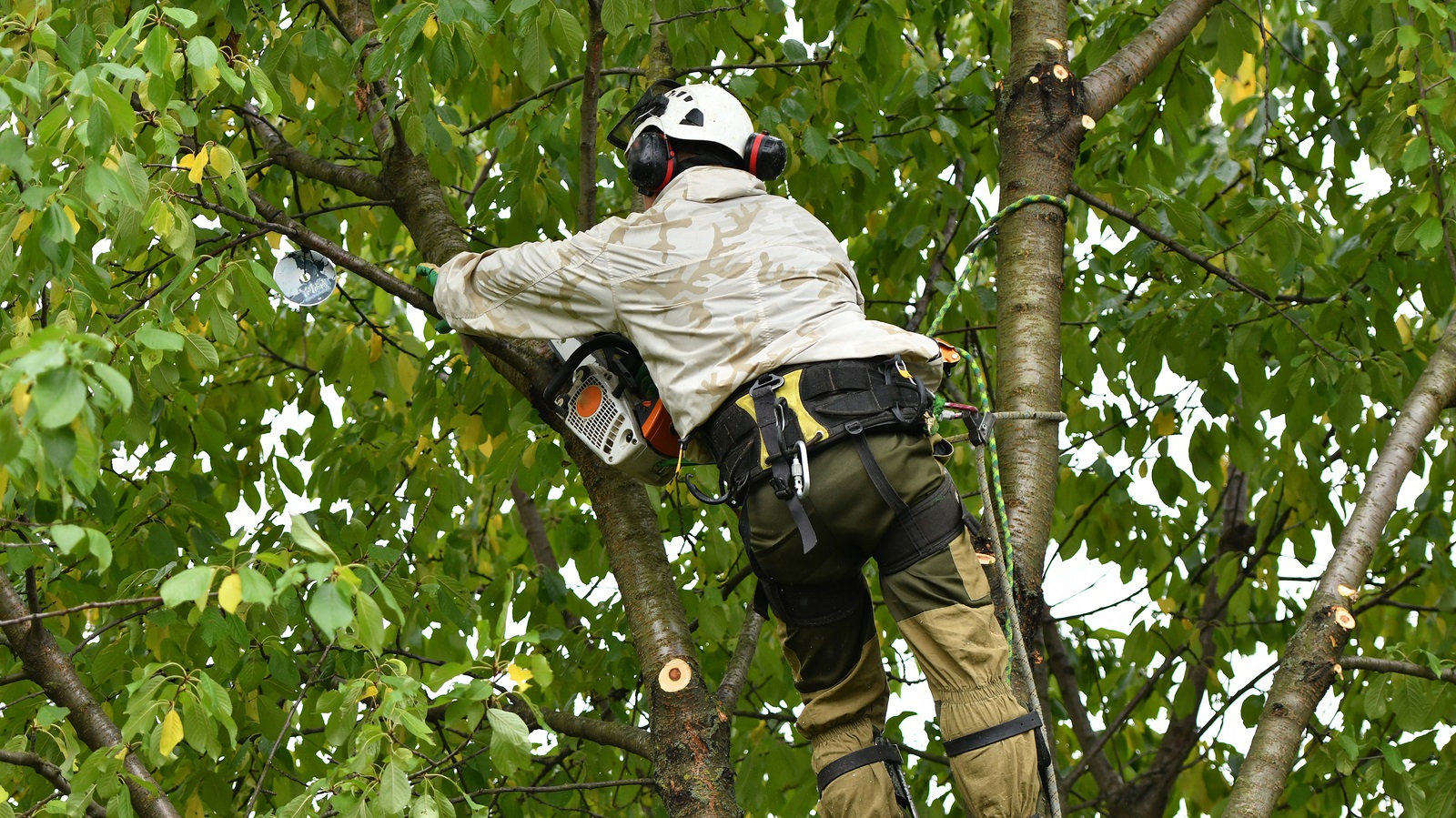
In these circumstances, a tree surgeon may recommend sectional dismantling. This technique involves removing the tree in controlled sections, usually starting at the upper crown and working downwards. Depending on the site, specialist climbing equipment, ropes, rigging systems or access machinery may be needed to lower branches and timber safely.
Careful planning is essential to reduce the risk of damage to nearby structures and landscaping. Large or awkwardly positioned trees should only be handled by professionals with the appropriate training, equipment and experience.
Why Experienced and Insured Tree Surgeons Matter
Tree removal involves more than cutting through a trunk. The weight of branches, the condition of the tree and the surrounding environment all influence how the work can be carried out safely.
When choosing Tree Surgeons Wrexham property owners can trust, it is important to check relevant experience, qualifications and insurance arrangements. Public liability insurance can provide cover for certain claims involving accidental injury or property damage, while employers’ liability insurance should be in place where legally required.
Before hiring a contractor, ask how the work will be undertaken, what equipment will be used and how potential hazards will be managed. Request a written quotation that explains the proposed work and clarifies whether timber, branches and other waste will be removed afterwards.
A responsible contractor should also be willing to explain whether complete removal is necessary or whether a less extensive treatment could achieve the desired result.
JD Tree Services is a local tree surgery business serving Wrexham and surrounding areas of North Wales. For property owners dealing with damaged trees, restricted access or other tree-related concerns, consulting a local professional can help identify suitable options for the individual site.
Checking Tree Preservation Orders and Conservation Areas
Before arranging tree removal, property owners must establish whether any legal protections or local restrictions apply. A tree’s condition or position does not automatically mean it can be removed without permission.
Tree Preservation Orders
A Tree Preservation Order (TPO) protects specified trees, groups of trees or woodland because of their public amenity value. Carrying out unauthorised work on a protected tree can have serious legal consequences.
Before arranging felling or substantial pruning, check whether a TPO applies and whether consent is required. The relevant local planning authority can explain the requirements and advise on the application process.
If a protected tree appears dangerous, seek professional advice about the appropriate course of action rather than assuming that its condition removes the need to comply with legal requirements.
Conservation Area Restrictions
Trees in designated conservation areas may receive additional protection, even when they are not covered by an individual TPO. In Wales, certain work may require advance notification to the local planning authority.
Property owners should contact Wrexham County Borough Council or the relevant local authority to confirm which restrictions apply before work begins. A tree surgeon can help identify potential issues, but the necessary permissions or notifications should be confirmed before proceeding.
Checking these requirements early can help prevent delays and ensure that tree work is carried out lawfully.
Protecting Wildlife Before Tree Work Begins
Trees provide important habitats for nesting birds, bats and other wildlife. Before carrying out major pruning or removal, it is essential to consider whether protected species may be using the tree.
Birds may nest among branches and dense foliage, while bats can use cavities, cracks and loose bark as roosting places. Certain species and their habitats receive legal protection, and disturbing them or damaging protected nesting or roosting sites may be unlawful.
If there are signs of protected wildlife, the proposed work may need to be postponed while appropriate advice is obtained. A suitably qualified ecologist can carry out further assessments where necessary and explain any legal requirements.
Responsible tree care considers both public safety and environmental protection. Including wildlife checks in the planning process helps reduce the risk of harm and avoids complications once work has started.
When Tree Felling May Be the Best Option
Tree felling may be appropriate when a tree is dead, seriously diseased, structurally unstable or creating a risk that cannot be managed effectively through pruning. It may also be considered where a tree’s position causes persistent problems and suitable alternatives have been ruled out.
Professional Tree Felling Wrexham services are particularly valuable when working around houses, roads, garden structures and other obstacles. The method used will depend on the tree’s height, condition, location and available working space.
Where there is sufficient room and conditions permit, a tree may be felled in a controlled direction. In more restricted locations, sectional dismantling may be necessary to remove the tree piece by piece.
In either case, a professional assessment helps establish the safest approach and identifies any additional requirements, including access arrangements, waste disposal and checks for legal restrictions.
Could Professional Tree Surgery Save the Tree?
Complete removal is not always necessary. If a tree is healthy and structurally sound, maintenance may resolve the problem while allowing it to remain part of the landscape.
Professional Tree Surgery Wrexham services can include several techniques designed to maintain tree health and manage potential hazards:
- Crown reduction: Reducing the overall size of the canopy where appropriate.
- Crown thinning: Selectively removing branches to reduce canopy density.
- Deadwood removal: Removing dead or damaged branches that may pose a risk.
- Routine pruning: Managing branches that interfere with buildings, pathways or other features.
The right approach depends on the species, age, condition and location of the tree. Pruning cannot resolve every structural problem, so an experienced tree surgeon should assess the circumstances before recommending a treatment.
If removal is necessary, property owners can also discuss stump grinding, timber clearance and whether replanting would be suitable for the available space.
Choosing a Local Tree Surgery Service in Wrexham
When comparing contractors, look for a business that understands the practical challenges of working in residential gardens, commercial premises and rural properties. Restricted access, nearby structures and uneven ground can all affect how tree work should be planned.
JD Tree Services serves Wrexham and surrounding North Wales areas, providing a local point of contact for property owners who need advice about tree removal and other tree care requirements.
Before agreeing to any work, request a clear quotation and ask about the proposed method, safety precautions and arrangements for removing waste. Confirm that the contractor has appropriate insurance and understands the importance of checking protected trees and wildlife before starting.
Clear communication and careful planning can help ensure that the work meets your needs while minimising unnecessary disruption to the surrounding property.
Final Thoughts
Tree removal can become necessary when a tree is dangerous, seriously diseased, damaged by storms or growing in a location where its risks cannot be managed effectively. Large trees in confined spaces may also require sectional dismantling to reduce the risk of damage to nearby buildings and other structures.
However, removal should not be the automatic answer to every tree-related problem. A professional assessment can establish whether pruning or another management technique is sufficient, helping property owners make informed decisions.
By choosing experienced, appropriately insured professionals and checking Tree Preservation Orders, conservation area restrictions and protected wildlife before work begins, property owners can approach tree removal responsibly.
For homeowners and businesses in Wrexham, seeking professional advice helps protect people and property while recognising the value trees bring to gardens and the wider North Wales landscape.