The financial planning involved in purchasing a home in Singapore does not end once the sale is completed. Property owners also need to account for recurring government taxes and other expenses associated with keeping a residential property.
Understanding these obligations before purchasing can help buyers build a more complete ownership budget and avoid focusing too narrowly on the initial transaction amount.
Property Tax Is Based on Annual Value
Singapore property tax is generally calculated using a property’s Annual Value rather than simply applying a percentage to its purchase price.
Annual Value is determined by the Inland Revenue Authority of Singapore based on the estimated gross annual rent that the property could reasonably earn if it were rented out, excluding furniture and fittings.
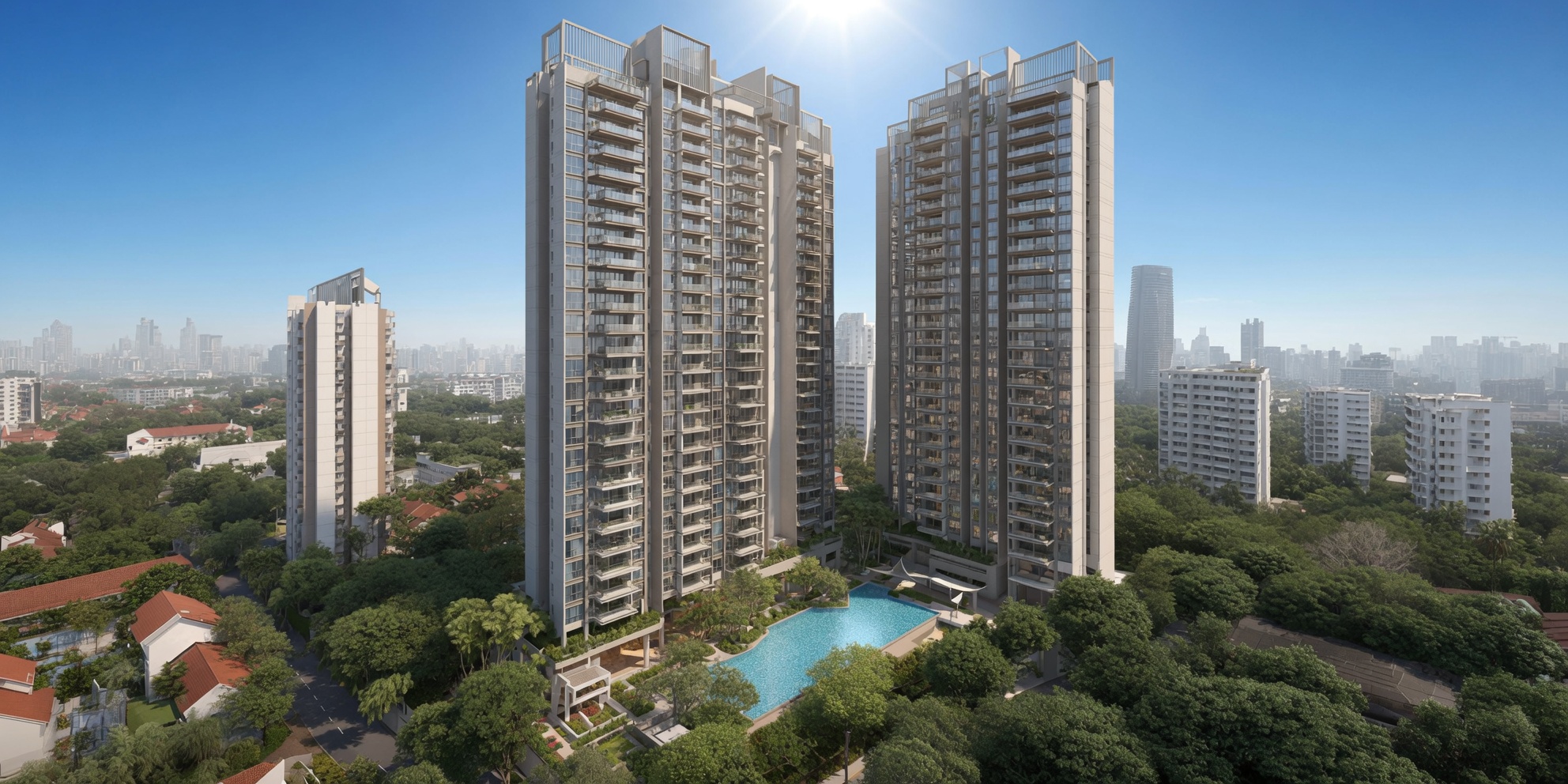
For a buyer considering River Opus, this distinction is important because the property’s purchase price and its Annual Value are different concepts.
Buyers should refer to the current information published by the relevant authority when calculating their expected tax liability.
Owner-Occupied and Non-Owner-Occupied Properties
Tax Treatment Can Differ
Singapore’s property tax rates differ depending on whether a residential property is owner-occupied or not.
This means a buyer should consider how the property is expected to be used when estimating recurring tax expenses.
Someone purchasing a home for personal occupation may face a different property tax treatment from an owner who does not occupy the property.
The applicable rates and thresholds can change, so buyers should check the latest official guidance rather than relying on older examples found online.
Purchase Price Is Not the Whole Budget
Property tax is only one recurring cost.
A condominium owner may also need to account for maintenance contributions, insurance, mortgage interest and other household expenses.
For someone researching One Chuan Grove, adding these items to a personal budget can provide a clearer picture of the ongoing financial commitment.
The precise amount will depend on the property and the owner’s circumstances.
Don’t Confuse Property Tax With Stamp Duty
Singapore property buyers encounter several different taxes during the purchasing process.
Property tax is an ongoing ownership expense, while stamp duties are associated with property transactions and may arise when buying or selling a property.
These should not be treated as interchangeable costs.
Buyers should identify each applicable charge separately when preparing their purchase budget.
Consider Changes in Your Circumstances
A property’s tax position can be affected by how it is used.
For example, an owner who initially occupies a property personally may later change their circumstances and rent it out. That change can affect the applicable property tax treatment.
Buyers should therefore avoid building a long-term budget around an assumption that their current circumstances will never change.
Where a future change in use is being considered, the applicable tax position should be checked before making the change.
Keep an Eye on Official Assessments
Property owners receive information relating to their property’s Annual Value and property tax.
It is useful to understand what the assessment represents rather than assuming that it corresponds directly with the property’s market value.
Annual Value is a separate tax concept and should not be interpreted as an appraisal of what the property could sell for.
This distinction can prevent confusion when buyers encounter different property-related figures.
Calculate Recurring Costs Before Committing
A realistic ownership budget should include both immediate and continuing expenses.
Before purchasing, buyers can estimate mortgage repayments, maintenance contributions, property tax, insurance and other predictable costs. They can then assess these against household income and available reserves.
This approach is particularly useful for buyers stretching their budget, because a property that appears affordable based solely on its purchase price may create a very different monthly commitment once recurring expenses are included.
Check the Current Rules
Tax rates, reliefs and thresholds can change over time.
Singapore buyers should therefore use current information from the Inland Revenue Authority of Singapore when calculating their obligations and seek professional tax advice where their circumstances are complex.
Online articles and historical examples can provide background but should not replace current official information.
Think Beyond the Purchase Day
Buying a private home creates an ongoing financial responsibility.
Understanding property tax, distinguishing it from transaction-related duties and incorporating recurring expenses into the household budget can help buyers approach the purchase more realistically.
For anyone assessing a Singapore condominium, the useful question is not simply whether the purchase price is manageable. It is whether the complete cost of ownership remains comfortable throughout the period they expect to hold the property.
Leave a Reply