The way people use their homes is changing. A residential property may now need to accommodate remote work, family activities, entertaining, exercise, relaxation, and storage, sometimes within the same day. As household routines become more varied, flexible living spaces are becoming increasingly attractive to Singapore homebuyers. Rather than assigning every room to one permanent purpose, thoughtful design can allow spaces to adapt as residents’ needs change. This flexibility can improve everyday functionality while helping a home remain suitable over the longer term.
Homes Are Supporting More Activities
Modern households often use their homes for several different purposes. A living room may serve as a place for relaxation during the evening and a workspace during the day. A spare bedroom might function as a study before eventually becoming a child’s room.
This makes adaptability an important consideration when comparing properties. Buyers should consider whether rooms can accommodate different activities without making the home feel crowded or inconvenient.
Remote Work Has Changed Residential Priorities
Hybrid and remote working have made dedicated work areas more valuable for many households. However, not every home has enough space for a permanent office.
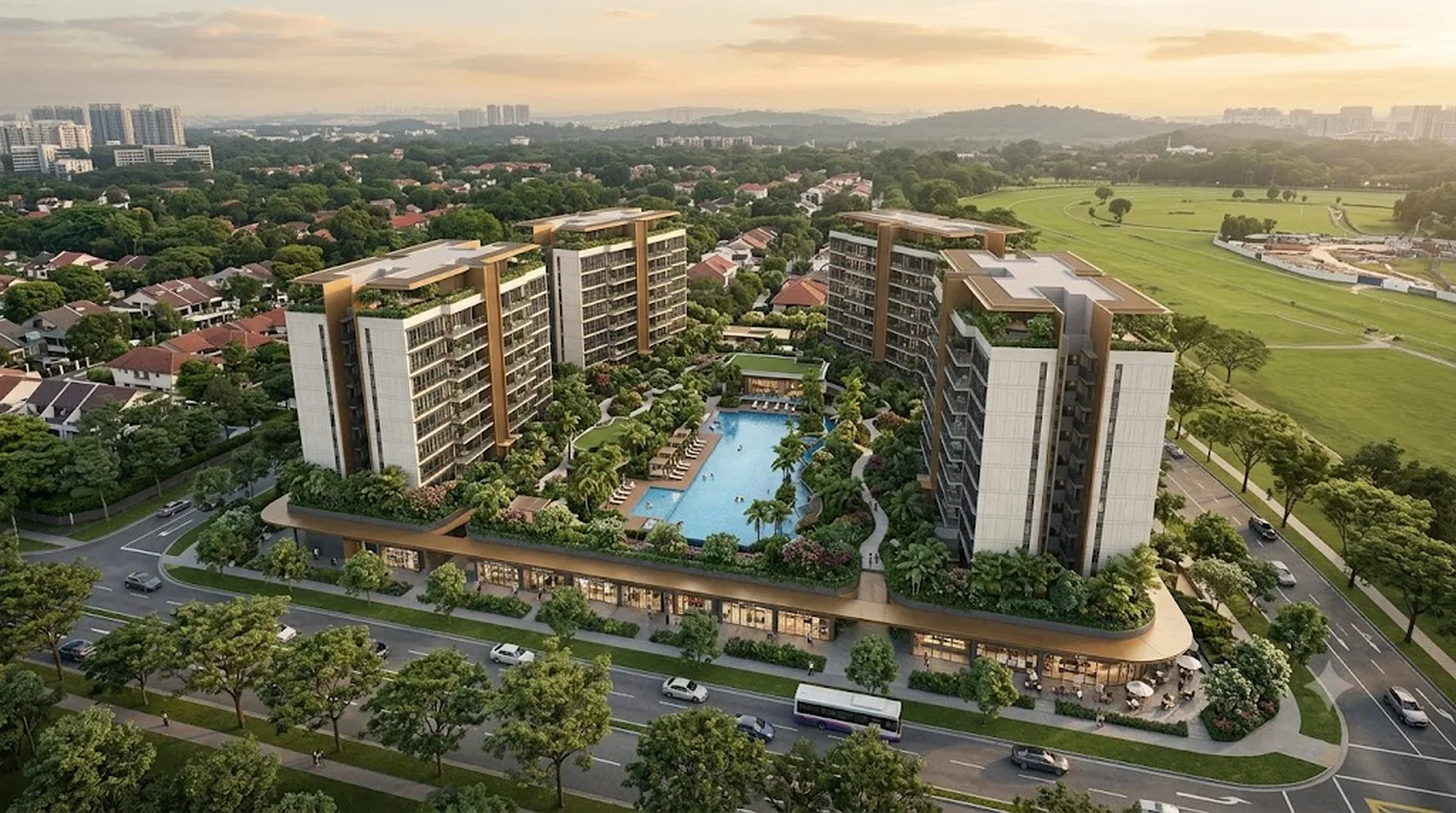
Flexible layouts can provide alternatives. A study nook, adaptable spare room, enclosed balcony, or portion of a larger living area can potentially become a temporary workspace. Developments such as The Serra Residences illustrate why buyers may consider how effectively a residential layout can respond to different lifestyles.
Adaptable Rooms Can Support Growing Families
Household needs can change significantly over time. A couple may eventually need additional bedrooms, a nursery, a children’s study area, or more storage.
A flexible home can accommodate some of these changes without requiring an immediate move. Room proportions, door positions, built-in storage, and access to natural light can all affect whether a space can be repurposed effectively.
Furniture Can Create Different Configurations
Flexible living does not always require structural changes. Furniture can be used to divide spaces, create work zones, or change how a room functions.
Movable tables, modular sofas, shelving, foldable desks, and multipurpose furniture can allow residents to adjust their surroundings according to the occasion. A well-proportioned room provides greater freedom to experiment with different arrangements.
Sliding Doors Can Improve Adaptability
Sliding or folding doors can allow residents to change the relationship between different areas. Spaces can remain open when households want a larger shared environment or become more private when separate activities are taking place.
This can be particularly useful for families with children or residents who work from home. The ability to create separation without permanently sacrificing space can make a floor plan more versatile.
Storage Supports Flexible Living
Adaptability depends partly on having enough storage. Household belongings can quickly occupy spaces that might otherwise be used for different purposes.
Built-in wardrobes, utility areas, kitchen storage, and adaptable cabinetry can help keep rooms clear. Buyers should assess whether there is sufficient storage for current possessions as well as items they may acquire in the future. A flexible room is more useful when it can be cleared easily for another activity.
Outdoor Areas Can Provide Additional Flexibility
Balconies and terraces can serve different functions depending on the household. They may be used for plants, casual meals, relaxation, or simply as a transition between indoor and outdoor environments.
The usefulness of an outdoor space depends on its size, orientation, shade, privacy, and weather protection. Projects such as Dunearn Green demonstrate why buyers may consider both private and shared outdoor environments when assessing the overall flexibility of a residential development.
Shared Facilities Can Extend Private Space
Flexible living is not limited to the apartment itself. Function rooms, lounges, co-working areas, gardens, pools, and recreational facilities can provide residents with alternative spaces for different activities.
A resident might use a communal workspace when concentrating, a function room for a gathering, or an outdoor area for exercise. These facilities can reduce the pressure on private living spaces and provide additional choices within the development.
Multi-Generational Homes Benefit From Flexibility
Families with children, parents, or other relatives may have particularly varied space requirements. Flexible layouts can make it easier to accommodate different generations while preserving some degree of privacy.
A room that initially serves as a study could later become a bedroom, while adaptable communal areas can provide places where family members spend time together. Buyers planning for multi-generational living should consider both current and potential future requirements.
Flexibility Can Support Changing Lifestyles
Life circumstances can change for reasons beyond family size. Residents may change careers, begin working remotely, take up new hobbies, start a business from home, or require additional space for ageing family members.
A flexible home provides more options when these changes occur. It may not eliminate the need to move eventually, but adaptability can extend the period during which a property remains suitable.
Technology Can Add Another Layer of Flexibility
Smart home systems can allow residents to adjust lighting, temperature, security, and other functions according to different activities. For example, lighting settings can be changed for working, relaxing, or entertaining.
Technology should support physical flexibility rather than replace it. Buyers should still prioritise practical room dimensions, useful storage, good lighting, ventilation, and sensible circulation.
Buyers Should Test a Layout Before Deciding
Floor plans can communicate dimensions, but they do not always reveal how a home will function in practice. Buyers should imagine realistic scenarios such as working from home, hosting guests, storing bicycles, accommodating children, or creating a quiet study area.
During a viewing, it can also help to consider where existing furniture would go. Measurements of larger furniture pieces can reveal whether a room offers genuine flexibility or only appears versatile when minimally furnished.
Flexible Design Can Add Long-Term Practical Value
The growing popularity of flexible living spaces reflects a broader change in how people use their homes. Properties increasingly need to support several activities and adapt to different stages of life.
For buyers, flexibility should not simply mean having an empty room. It comes from efficient layouts, adaptable spaces, sufficient storage, useful shared facilities, and design choices that allow residents to change how they use their home.
A flexible residential property can provide greater freedom today while remaining relevant as household circumstances evolve. For Singapore homebuyers considering a long-term purchase, adaptability can therefore be an important complement to location, construction quality, amenities, and overall residential design.