

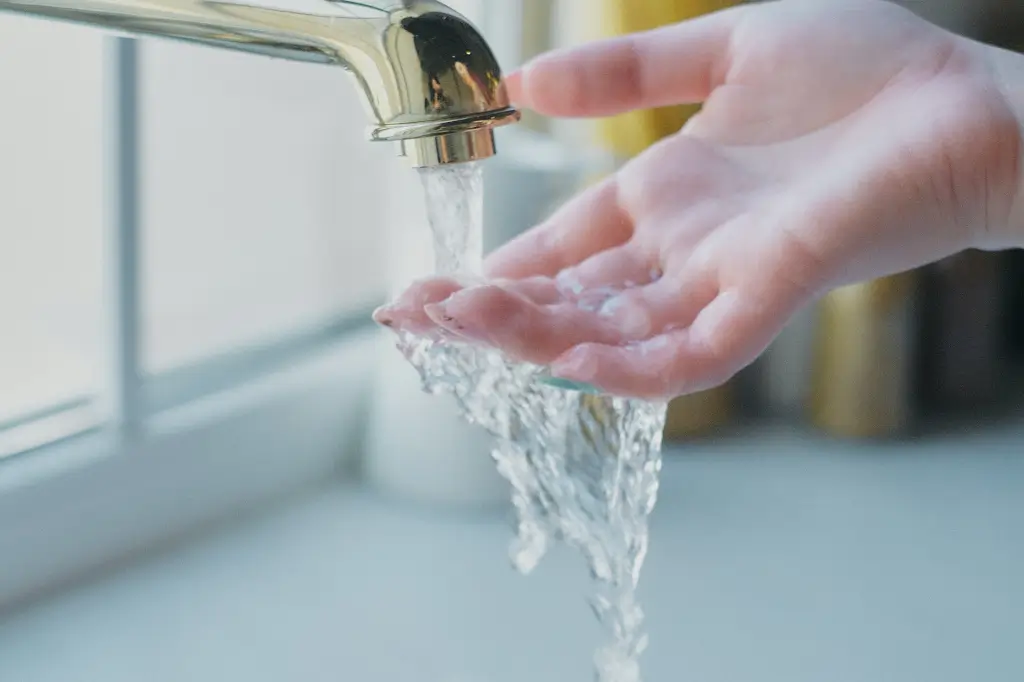
Hard water isn’t just an inconvenience — it’s one of those hidden problems that slowly impacts everything, from your boiler efficiency to the lifespan of your appliances. If you’ve noticed mineral streaks on taps or your kettle building up that chalky layer, you’re dealing with classic hard-water fallout.
But here’s the real shift happening across the UK: thousands of homeowners are choosing water conditioners over old-school softeners. They want something simpler, more eco-friendly, and easier to live with — and that’s exactly what the new generation of water conditioning systems delivers.
If you’re exploring these options, you’ll find detailed guides and reputable products at Water-Conditioners.co.uk — the UK’s go-to resource for understanding real, modern solutions.
Why Hard Water Is Such a Big Issue in the UK
Large parts of the UK have naturally high mineral content — mostly calcium and magnesium. When heated or evaporated, these minerals leave behind a chalk-like residue. You see it on:
- taps
- shower screens
- heating elements
- pipework
- sinks and tiles
While you’ll never eliminate these minerals completely (they’re naturally present in your water), the right water conditioner can significantly reduce limescale buildup, making your home easier to maintain and protecting your appliances long-term.
How Modern Water Conditioners Work (Without Salt or Chemicals)
Unlike a traditional water softener, a water conditioner doesn’t remove minerals. Instead, it changes the way they behave. That means:
✔ minerals stay in the water
✔ water keeps its natural taste
✔ reduced limescale buildup on surfaces
✔ reduced scaling inside heating systems
✔ less maintenance overall
Because it works without salt, chemicals, or regeneration cycles, it’s an eco-friendly alternative that’s built for modern living.
If you want to compare the two options side-by-side, the guide at Water-Conditioners.co.uk breaks it down clearly.
Why Homeowners Are Switching to Water Conditioners
Here’s why more households are moving away from salt-based systems and choosing water conditioners instead:
Reduced limescale buildup
Conditioned water helps minimise scaling on taps, tiles, heating elements, and shower fittings — making everything easier to clean.
Zero salt, zero chemicals
Water conditioners operate naturally, without adding anything to your supply.
Completely eco-friendly
They work efficiently while avoiding salt discharge or wasting water.
No maintenance
No bags of salt. No electrical parts. No service calls.
Helps protect your heating system
Since scale buildup is greatly reduced, boilers and hot water systems can run more efficiently.
It’s a smarter long-term choice — especially if you want a system that doesn’t need constant attention.
Water Conditioner vs Water Softener: What Should You Choose?
Here’s a quick breakdown if you’re deciding between the two:
| Feature | Water Softener | Water Conditioner |
| Salt Required | Yes | No |
| Maintenance | Regular refilling | None |
| Mineral Removal | Removes minerals | Keeps minerals but changes behaviour |
| Environmental Impact | Higher | Low / eco-friendly |
| Limescale Control | Removes minerals | Reduces scale buildup |
| Taste of Water | Slightly altered | Natural |
Most modern homes prefer water conditioners because they deliver practical results without the hassle of ongoing maintenance.
A Small Upgrade That Makes a Big Difference
If you want:
- reduced limescale buildup
- easier-to-clean bathrooms
- better shower performance
- longer-lasting appliances
- natural-tasting water
- an eco-friendly system that just works
…a home water conditioner is one of the best upgrades you can make.
To explore the latest systems, compare options, and learn more, visit Water-Conditioners.co.uk — the UK’s dedicated hub for reliable, modern water treatment insights.