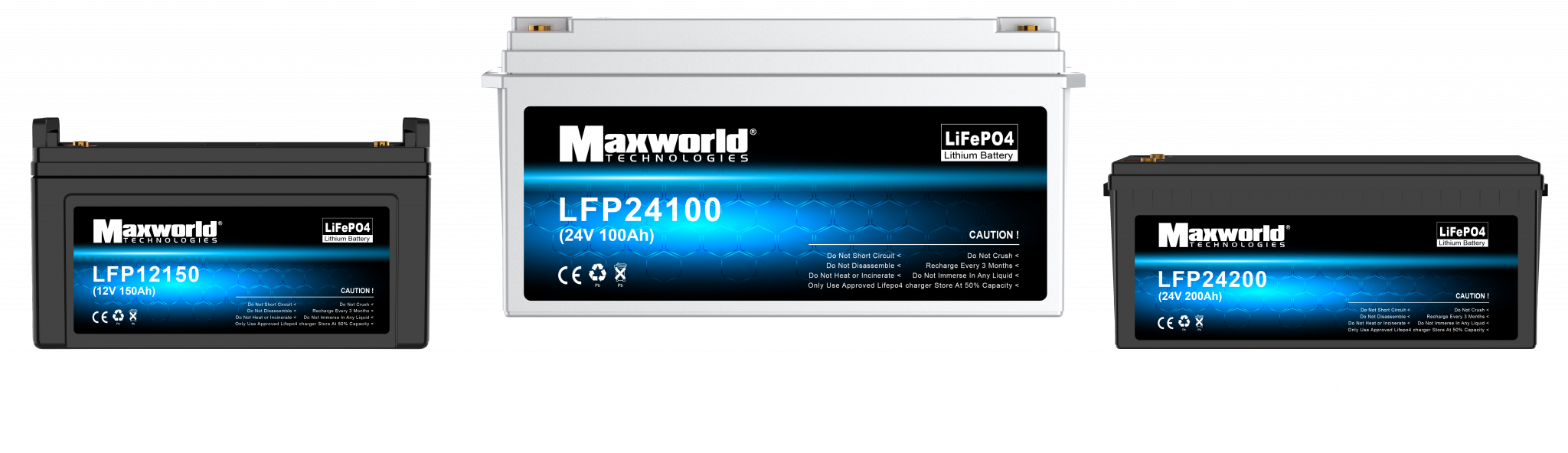
Tag: LifePo4 Battery

  • What challenges do technicians face when replacing AGM batteries versus lead-acid batteries?

    What challenges do technicians face when replacing AGM batteries versus lead-acid batteries?

    The technician cannot simply replace the battery in a Start-Stop battery equipped with an AGM battery as they would with a traditional battery.

    Instead, because the battery is intricately linked to the vehicle’s on-board electronics through a battery management system (BMS) or intelligent battery sensor (IBS), it must be integrated into the system and paired with the BMS/IBS, which necessitates the use of specialised equipment. Without the equipment to assist the technician and insert the battery into the system, the vehicle may display error messages, fail to charge the battery, or simply not start at all.

    Is specialized training in how to test, diagnose, and install these new batteries required?

    Training is especially important in a Start-Stop system because the number of potential faults is far greater than in a traditional electrical system. The BMS is extremely complicated because the engine is turned off as frequently as possible and only restarts when the vehicle needs to move or when the state of charge of the battery falls to a predetermined level.

    As a result, proper testing and fault diagnosis are critical. This is further complicated by the previously mentioned fitting challenges.

    Will any AGM battery suffice?

    Fitting the correct battery for the application is critical, as it is in all aspects of the trade. For entry-level or smaller Start-Stop vehicles, for example, an AGM battery may not be the best replacement because the original fitment may be an enhanced floded battery (EFB). Although these batteries have characteristics similar to AGM batteries, they are not the same and should not be used interchangeably. Similarly, simply replacing the Start-Stop battery with a larger capacity lead-acid battery is not a viable option.

    Are there any special procedures for removing, installing, or disposing of AGM batteries?

    When working on Start-Stop vehicles, technicians will discover that there is no guarantee that the battery will be under the hood! As a result, they must have access to accurate technical information, such as TecRMI or similar workshop-related technical data, in order to pinpoint the exact location of the battery, whether it is in the boot floor or, as in at least one application, beneath the front passenger seat!

    Handling AGM batteries is no more dangerous than handling traditional lead acid batteries; in fact, because they are generally completely sealed units, chemical spillage is actually less likely; however, they are heavy, so health and safety procedures must be strictly followed.

    When it comes to responsible battery disposal, workshops must understand their environmental responsibilities and ensure batteries are disposed of legally, but they should also be aware that responsible battery disposal can benefit them financially because batteries have a “scrap” value.

    Is there any special maintenance required?

    As long as the vehicle’s BMS is operational, these batteries require no special maintenance. They are completely sealed and do not need to be maintained.

  • We Can Use LiFePo4 Batteries in Hybrid and Electric Vehicles in the Automobile Sector

    We Can Use LiFePo4 Batteries in Hybrid and Electric Vehicles in the Automobile Sector

    Lithium iron phosphate LiFePo4 Batteries are widely used in various applications because of their low cost and excellent safety. Passenger cars, buses, logistics vehicles, low-speed electric vehicles, and others use these batteries. The state’s new energy vehicle subsidy program, on the other hand, covers the current market for new energy passenger vehicles. The excellent energy density of ternary batteries makes them the most widely used. It’s still essential to have lithium iron phosphate batteries in many applications, including the automotive and logistics truck sectors. Lithium iron phosphate batteries are still prevalent in passenger cars. Lithium iron phosphate batteries are increasingly being employed in specialized automobiles. When it comes to long-range electric vehicles, lithium iron phosphate batteries have the potential to enhance safety while also aiding in the commercialization of these vehicles. As a result, there would be less concern about pure electric vehicles’ mileage, safety and affordability, and charging, as well as the battery issues that would occur.

    As long as the power is on, you can start the application.

    Additionally, the lithium iron phosphate battery can produce high-power output instantly, making it a viable alternative to lithium batteries. A powerful lithium battery that uses less than one kilowatt-hour of electricity can replace the traditional lead-acid battery, and a BSG motor can be used to replace the regular starter and generator. Additionally, it contains capabilities such as engine stop coasting, energy recovery when coasting and braking, acceleration assistance, and electric cruise, in addition to starting and stopping operations at idle speed.

    The use of energy storage in the marketplace

    Long cycle life, low self-discharge rate, no memory effect, and green environmental protection are some advantages of lithium iron phosphate LiFePo4 Batteries. As a result, it is ideal for storing enormous amounts of electrical energy and allowing for the stepless development of its capacity. It is possible to use energy power stations for grid peak slashing, distributed power stations, uninterrupted power supply, emergency power systems, etc.

    Several lithium iron phosphate LiFePo4 Batteries manufacturers have created energy storage companies in response to the growth of the market for energy storage. While lithium iron phosphate can be used in the energy storage industry, it also has the potential to broaden the value chain and create new businesses. This is possible because of lithium iron phosphate’s exceptionally long life, safe use, tremendous capacity, and environmental protection. There is a growing need for energy storage devices powered by lithium iron phosphate batteries in the marketplace. According to reports, user-side and grid-side frequency modulation has been tested using lithium phosphate LiFePo4 Battery in electric buses and electric vehicles.

    Conclusion

    Lithium iron phosphate batteries are widely used in various applications because of their low cost and excellent safety. They can use LiFePo4 Battery in hybrid and electric vehicles. The state’s new energy vehicle subsidy program, for instance, covers the current market for new energy passenger vehicles. A powerful lithium battery that uses less than one kilowatt-hour of electricity can replace the traditional lead-acid battery, and a BSG motor can be used to replace the regular starter and generator. Lithium iron phosphate batteries are ideal for storing enormous amounts of electrical energy.